


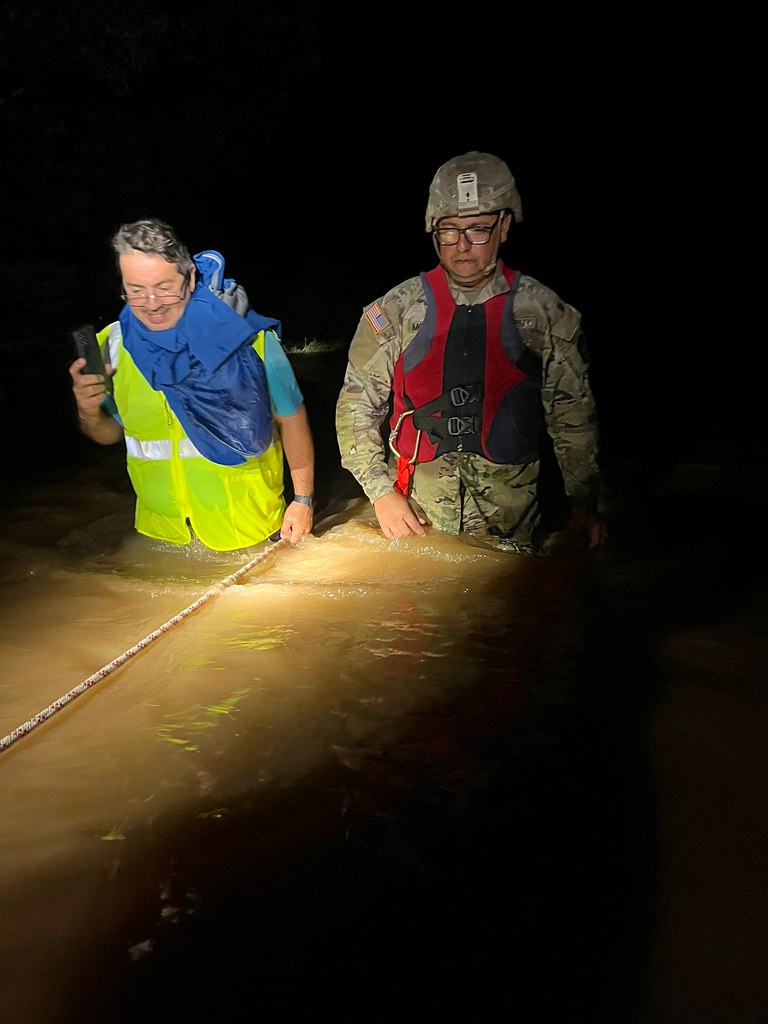
India citizens rescued in a recent incident where a Kuwait-flagged tanker was struck by a projectile in the Hormuz Strait. Fortunately, five Indian nationals were saved following the attack.
Overview of the Incident
In a recent maritime incident, five Indian citizens were rescued after a Kuwait-flagged tanker was struck by a projectile in the strategically vital Hormuz Strait. This alarming event has raised concerns about the safety of vessels navigating through the region, known for its geopolitical tensions and vital shipping routes.
The Indian government quickly mobilized resources to ensure the safe return of its citizens following the attack. This prompt action reflects India’s commitment to safeguarding its nationals abroad, especially in high-risk areas. Officials reported that the tanker, which was en route to its destination, faced an unexpected assault that caused significant alarm among crew members and international stakeholders.
In light of this incident, authorities are emphasizing the importance of maritime security and the need for vigilance in waters prone to threats. The swift response from Indian agencies has been praised, showcasing their readiness to act in times of crisis and reaffirming their focus on ensuring the safety of all India citizens rescued from precarious situations.
Details on the Kuwait-flagged Tanker
The Kuwait-flagged tanker involved in the incident was reportedly struck by a projectile while navigating through the Hormuz Strait. This vital shipping lane, which connects the Persian Gulf to the Gulf of Oman, is known for its strategic importance in global trade.
According to maritime sources, the tanker was carrying a significant cargo at the time of the attack. Here are some key details regarding the tanker:
- Vessel Name: MV Al-Maali
- Flag State: Kuwait
- Crew Composition: 20 members, including 5 Indian citizens
- Incident Time: During early morning hours
- Response: Immediate rescue efforts were launched after the attack
Following the incident, the Indian government coordinated with local authorities to ensure the safe return of its citizens. The successful rescue operation highlights the commitment to protecting Indian citizens abroad, especially in volatile regions.
Response from Indian Authorities
The response from Indian authorities has been swift and decisive following the incident involving the Kuwait-flagged tanker. According to the Ministry of External Affairs, a dedicated team was mobilized immediately after reports surfaced about the attack in the Hormuz Strait.
Indian officials have been closely monitoring the situation, ensuring that the safety of the citizens is prioritized. The government has taken several steps to facilitate the safe return of its nationals:
- Coordination with International Agencies: The Indian government has engaged with international maritime organizations to gather information and provide assistance.
- Emergency Helplines: Several helplines have been established for families of the affected citizens to receive timely updates.
- Deployment of Naval Resources: The Indian Navy is on standby to assist in further rescue operations if necessary.
Officials have confirmed that all five India citizens rescued are currently undergoing medical evaluations and will be returned home shortly, highlighting the commitment of the Indian government to ensure the safety of its citizens abroad.
Impact on Maritime Safety
The recent incident involving the Kuwait-flagged tanker has raised significant concerns regarding maritime safety in the region. With the rescue of India citizens from the vessel, experts emphasize the need for enhanced security measures to protect ships traversing high-risk areas.
Maritime safety protocols are essential to ensure the protection of crews and cargo. The following measures are recommended:
- Increased Surveillance: Implementing advanced monitoring systems to track maritime traffic in vulnerable zones.
- Training for Crew Members: Regular training sessions for crew on emergency response protocols during hostile encounters.
- International Cooperation: Strengthening alliances between countries to ensure a unified response to maritime threats.
- Enhanced Communication: Establishing better communication links between vessels and naval authorities for quick response actions.
The safe return of the India citizens underscores the importance of vigilance and preparedness in ensuring the safety of maritime operations in contentious waters.
Eyewitness Accounts of the Attack
Eyewitnesses described a chaotic scene as the Kuwait-flagged tanker came under attack in the Hormuz Strait. One sailor, who wished to remain anonymous, recounted the moment the projectile struck the vessel. “It felt like an earthquake, the entire ship shook. We all rushed to our stations in panic,” he said. Another crew member shared, “We were terrified, unsure of what was happening. The sound was deafening.”
As the situation unfolded, nearby vessels responded quickly. An eyewitness on a passing ship noted, “We saw smoke rising from the tanker and immediately alerted the authorities. It was a race against time.” Many expressed relief when it was confirmed that five Indian citizens were successfully rescued after the incident. “We knew there were people on board, and we were praying for their safety,” said a local fisherman who witnessed the rescue operation.
These accounts highlight the dangerous realities faced by maritime workers and the importance of swift rescue efforts in critical situations.
Future Precautions in the Region
As the incident involving the Kuwait-flagged tanker highlights vulnerabilities in maritime security, experts emphasize the importance of implementing stringent future precautions in the region. The successful rescue of India citizens has prompted a reevaluation of current protocols.
Key measures recommended include:
- Enhanced Surveillance: Increasing aerial and maritime surveillance to monitor potential threats in high-risk areas.
- International Collaboration: Strengthening partnerships between nations to share intelligence and resources effectively.
- Training and Drills: Regular training exercises for crew members on emergency protocols to ensure a swift and coordinated response during crises.
- Regulatory Frameworks: Advocating for stricter regulations governing navigation in conflict-prone waters to enhance safety for all vessels.
These measures aim to prevent future incidents, safeguarding maritime routes and the lives of those who travel them. The recent rescue of India citizens serves as a critical reminder of the need for vigilance in international waters.
In a remarkable operation, the India citizens rescued from the stranded tanker expressed their gratitude towards the rescue teams. Their safe return marks a significant achievement in ensuring the welfare of India citizens rescued during emergencies.
By The National Guard via Openverse