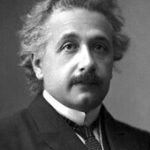


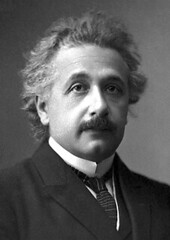
Nobel Prize in Physics has been awarded to Francis Halzen for 2026, recognizing his groundbreaking work in particle physics and cosmology.
Overview of the 2026 Nobel Prize in Physics
The 2026 Nobel Prize in Physics has been awarded to Francis Halzen for his groundbreaking contributions to the field of astrophysics and particle physics. Halzen’s work has significantly advanced our understanding of neutrinos and their role in the universe, making him a deserving recipient of this prestigious award.
His research has not only expanded the scientific community’s knowledge about these elusive particles but has also opened new avenues for exploration in cosmic phenomena. The Nobel Prize in Physics is a recognition of Halzen’s dedication to pushing the boundaries of science and his innovative approach to complex problems.
The Nobel committee highlighted several key achievements that led to this honor:
- Discovery of high-energy neutrino sources: Halzen’s experiments have identified various cosmic events that emit high-energy neutrinos, shedding light on their origins.
- Development of detection technologies: His work has led to advancements in detection methods that have enhanced the capabilities of physicists worldwide.
- Collaboration and outreach: Halzen has fostered collaboration among international research teams, promoting a global approach to understanding fundamental questions in physics.
With these achievements, the 2026 Nobel Prize in Physics celebrates not only an individual but also the collective progress in the scientific community.
Francis Halzen’s Contributions
Francis Halzen, a prominent figure in the field of particle physics, has made significant contributions that culminated in his recognition with the Nobel Prize in Physics in 2026. His groundbreaking work primarily revolves around the study of neutrinos and their role in understanding the universe.
One of Halzen’s most notable achievements is the development of the IceCube Neutrino Observatory, located at the South Pole. This facility has enabled scientists to detect high-energy neutrinos originating from cosmic events, providing insights into phenomena such as supernovae and black hole formation.
Halzen’s research has not only advanced the scientific community’s understanding of fundamental particles but has also opened up new avenues for astronomical exploration. His ability to merge theoretical physics with experimental techniques has led to remarkable discoveries.
In addition to his experimental work, Halzen has been a strong advocate for science education. He has inspired countless students through his lectures and outreach programs, emphasizing the importance of physics in decoding the complexities of the universe.
As a recipient of the Nobel Prize in Physics, Halzen’s legacy is cemented in the annals of scientific history, showcasing the profound impact of his contributions on both the scientific community and society at large.
Impact on Particle Physics
The 2026 Nobel Prize in Physics has significantly impacted the field of particle physics, particularly through the groundbreaking work of Francis Halzen. His research has opened new avenues for understanding the fundamental particles that constitute our universe.
Halzen’s advancements have not only deepened our comprehension of neutrinos but also enhanced the capabilities of neutrino observatories worldwide. This has led to several key outcomes:
- Enhanced Detection Methods: Halzen’s innovations in detection technology have improved the sensitivity and accuracy of experiments, allowing physicists to gather more precise data on neutrino interactions.
- Interdisciplinary Collaboration: His work has fostered collaborations among physicists, astronomers, and engineers, bridging gaps between various scientific disciplines to tackle complex questions about the universe.
- New Theoretical Models: The findings from his research have prompted the development of new theoretical models that may explain phenomena previously considered mysterious, such as dark matter and cosmic rays.
As a result, the 2026 Nobel Prize in Physics not only celebrates Halzen’s achievements but also marks a pivotal moment in the ongoing quest to unravel the intricacies of particle physics.
Reactions to the Award
The announcement of the 2026 Nobel Prize in Physics awarded to Francis Halzen has sparked a wave of reactions from the scientific community and beyond. Many experts have expressed their admiration for Halzen’s groundbreaking research in neutrino physics.
Dr. Lisa Thompson, a prominent physicist at the University of California, stated, “Halzen’s work has not only advanced our understanding of the universe but has also inspired a new generation of scientists.” This sentiment was echoed by Dr. Raj Patel, who emphasized the importance of Halzen’s contributions, noting that “the Nobel Prize in Physics recognizes achievements that pave the way for future discoveries.”
Social media has also been abuzz, with physicists and enthusiasts sharing their congratulations. A trending hashtag, #HalzenNobel2026, has been used to highlight his achievements and the significance of the award. Commenting on the announcement, physicist Dr. Emily Chen remarked, “This Nobel Prize in Physics is a testament to the critical role neutrinos play in understanding the cosmos.”
As discussions continue, the impact of Halzen’s work on the field will likely shape the future of particle physics for years to come.
Future of Physics Research
The future of physics research is poised for exciting developments, particularly in the wake of the 2026 Nobel Prize in Physics awarded to Francis Halzen. His groundbreaking work has opened new avenues for exploration, inspiring a new generation of physicists to delve deeper into the mysteries of the universe.
As experimental techniques advance, researchers are optimistic about several key areas:
- Neutrino Physics: Building on Halzen’s findings, the study of neutrinos is expected to unravel fundamental questions about the universe’s composition and the forces that govern it.
- Quantum Computing: The intersection of particle physics and quantum computing may lead to revolutionary breakthroughs, transforming how complex calculations are performed.
- Astrophysics: The ongoing exploration of cosmic phenomena, such as black holes and dark matter, will benefit from the methodologies developed through Halzen’s research.
- Interdisciplinary Collaboration: Future discoveries are likely to emerge from collaborations across fields, merging insights from engineering, computer science, and biology with physics.
Overall, the 2026 Nobel Prize in Physics not only celebrates past achievements but also serves as a catalyst for future innovations that could reshape our understanding of the cosmos.
Significance of the Nobel Prize
The Nobel Prize in Physics stands as one of the most prestigious awards in the scientific community, recognizing groundbreaking contributions that advance our understanding of the universe. Its significance extends beyond mere accolades; it serves as a catalyst for innovation and exploration in the field of physics.
Winning this award not only honors individual achievements but also highlights the importance of collaboration and interdisciplinary research. The recognition given to physicists like Francis Halzen underscores the role of fundamental research in addressing some of the world’s most pressing challenges, including energy sustainability and climate change.
The Nobel Prize in Physics also inspires future generations of scientists. It encourages young researchers to pursue careers in physics, thereby ensuring a continuous flow of ideas and discoveries. This legacy of knowledge sharing and mentorship is vital for the ongoing evolution of the field.
Moreover, the award fosters public interest in science, bridging the gap between complex theories and everyday understanding. As society faces new technological challenges, the significance of the Nobel Prize in Physics cannot be overstated, as it illuminates the path forward for scientific inquiry and innovation.
By aeroman3 via Openverse