

AI surveillance system has become a hot topic after teens reported that it mistook a Doritos bag for a gun at a Baltimore school. This incident raises questions about the technology’s reliability and implications for student safety.
Overview of the Incident
In a startling incident that has raised concerns over the reliability of an AI surveillance system, two teenagers at a Baltimore school have reported being misidentified as armed suspects. The students claim that the system misinterpreted a bag of Doritos as a firearm, leading to a significant misunderstanding. This event has sparked a debate about the efficacy and accuracy of AI technology in high-stakes environments such as schools.
Witnesses have described a chaotic scene as authorities were alerted to the supposed threat, prompting a swift response from law enforcement. As the situation unfolded, the students were apprehended, causing confusion and distress among their peers and families. Once the misunderstanding was cleared up, the teens expressed their frustration and fear over being wrongly accused of carrying a weapon.
The incident has raised important questions regarding the deployment of AI surveillance systems in educational settings. Critics argue that such technologies may not be reliable enough to make life-altering decisions about students’ safety and well-being. Proponents of AI systems, however, maintain that when used correctly, they can enhance security measures.
As investigations continue, the community is left grappling with the implications of this incident and how the integration of technology in schools should be managed moving forward.
Reactions from Students
Students at the Baltimore school have expressed their concerns regarding the AI surveillance system that they believe misidentified a harmless snack as a weapon. Many are apprehensive about the implications of such technology being used in their environment.
- Maria Gonzalez, a senior, stated, “I can’t believe an AI surveillance system could make such a huge mistake. It’s scary to think that something so simple could lead to serious consequences.”
- James Lee, a junior, echoed her sentiment, saying, “This incident shows how unreliable these systems can be. What if it happens again with something more serious?”
- Emily Chen, another student, added, “I feel like we’re being watched all the time. It’s supposed to keep us safe, but incidents like this make me question its effectiveness.”
Students are calling for a reassessment of the AI surveillance system, advocating for more transparency and better accuracy in its operation. They argue that technology should enhance safety, not create fear or confusion. As discussions continue, the students remain hopeful that their voices will be heard and that the school will take steps to ensure that such errors do not happen in the future.
Implications for School Security
The incident involving the AI surveillance system at the Baltimore school has raised significant concerns about the implications for school security. As educational institutions increasingly adopt technology to enhance safety, the reliability of such systems is now under scrutiny.
Students have expressed their unease, emphasizing that a mistaken identity incident involving a snack bag could lead to severe consequences. The use of AI surveillance systems, designed to detect potential threats, must balance effectiveness with accuracy. A false alarm could not only disrupt the school day but also create a climate of fear among students.
Experts suggest that schools using AI surveillance systems should consider the following:
- Regular updates and training: Ensuring that the technology is updated frequently to minimize errors.
- Human oversight: Employing staff to monitor and verify the alerts generated by AI systems.
- Clear communication: Establishing protocols for informing students and parents when incidents arise to prevent panic.
Ultimately, while AI surveillance systems can enhance security, their implementation must include comprehensive strategies to mitigate risks associated with false identifications, thereby fostering a safer learning environment.
Technology and Surveillance Issues
The growing reliance on AI surveillance systems in schools has raised significant concerns regarding technology accuracy and its implications on student safety. In recent incidents, such systems have failed to differentiate between harmless objects and potential threats, leading to alarming situations. For instance, students at a Baltimore school reported that an AI surveillance system mistakenly identified a bag of Doritos as a firearm, triggering a lockdown and panic among students and faculty.
Experts argue that while these systems are intended to enhance security, they also pose risks when their algorithms misinterpret ordinary items. The reliance on artificial intelligence in surveillance raises important questions about the balance between safety and the potential for false alarms.
Some of the key issues surrounding technology and surveillance include:
- False Positives: AI systems can misidentify harmless objects, leading to unnecessary fear and disruption.
- Privacy Concerns: Continuous monitoring can infringe on students’ privacy rights, creating an environment of distrust.
- Accountability: Determining responsibility for errors made by AI systems remains a challenging legal and ethical dilemma.
As schools continue to adopt these technologies, it is crucial to address these pressing issues to ensure both the safety and well-being of students.
The recent incident involving the AI surveillance system has raised concerns about its accuracy and impact on young individuals. Many teens claim mistaken identity for gun-related accusations, highlighting the potential flaws in relying solely on an AI surveillance system for public safety.
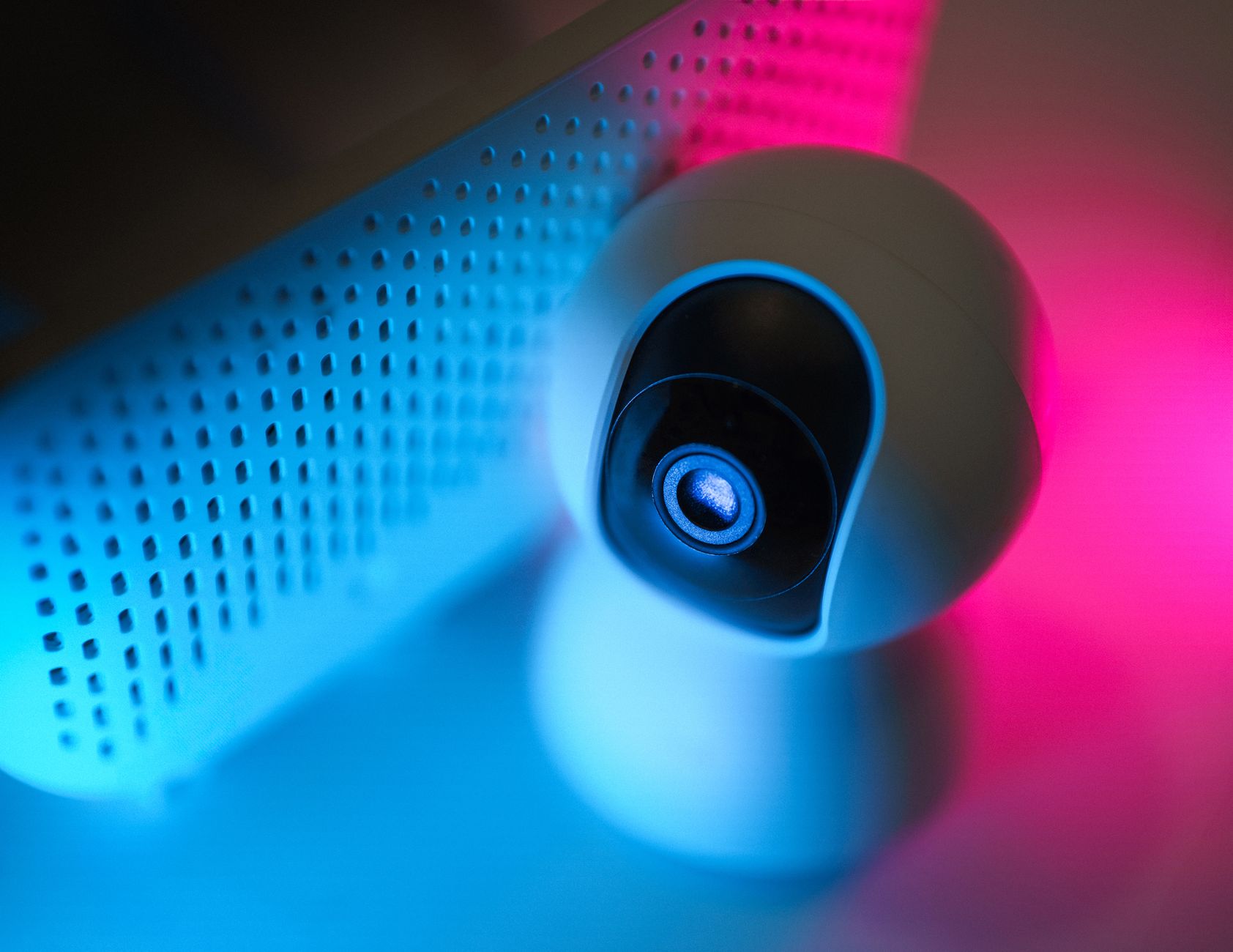
Photo by Jakub Zerdzicki on Pexels