

Missouri voting map has been blocked by Justice Kavanaugh, impacting Republican advantages in upcoming elections.
Overview of the Missouri voting map issue
The recent ruling by Justice Kavanaugh regarding the Missouri voting map has sparked significant controversy and concern among political analysts and voters alike. This decision, which blocks a map that was seen as advantageous for Republican candidates, raises questions about the integrity and fairness of electoral processes in the state.
Critics argue that the ruling undermines efforts to ensure equitable representation in Missouri’s political landscape. They claim that gerrymandering has long influenced the distribution of electoral power, and the latest developments only exacerbate these issues.
Key points of contention include:
- The potential for skewed election results favoring one party over another.
- The impact on voter turnout and public trust in the electoral system.
- Concerns over judicial influence in political matters.
As discussions continue, advocates for fair representation hope to find ways to address the challenges posed by the Missouri voting map’s implications.
Impact of Kavanaugh’s decision on elections
The recent ruling by Justice Kavanaugh has significant implications for upcoming elections in Missouri. By blocking the revised Missouri voting map, the decision undermines efforts to ensure fair representation for all voters in the state. This ruling is a setback for those advocating for a more equitable electoral landscape.
Supporters of the new map argued that it would address past gerrymandering issues and create a more balanced approach to electoral districts. However, Kavanaugh’s decision has left many concerned about the potential for continued partisan advantage. The following points highlight the impact of this ruling:
- Voter Disenfranchisement: Many believe the ruling may disenfranchise certain communities, particularly those that have historically faced barriers to voting.
- Political Implications: The blocked map could lead to a significant advantage for Republican candidates in future elections.
- Legal Precedents: This decision sets a concerning precedent regarding the judicial handling of voting maps nationwide.
The ripple effects of this ruling are likely to influence Missouri’s political landscape for years to come.
Reactions from political leaders
Political leaders across Missouri have expressed strong reactions to the recent ruling by Justice Kavanaugh regarding the Missouri voting map. Many believe that this decision undermines fair representation in the state.
- Governor Mike Parson criticized the ruling, stating that it disregards the voices of Missouri voters. He emphasized the importance of maintaining a voting map that reflects the population accurately.
- Senator Claire McCaskill called the decision a setback for democracy, arguing that it favors partisan interests over the will of the people. She urged citizens to stay engaged and advocate for fair elections.
- Representative Emanuel Cleaver pointed out that the ruling could have long-lasting effects on future elections, asserting that the integrity of the Missouri voting map is crucial for maintaining a balanced political landscape.
As reactions continue to unfold, it is clear that the Kavanaugh ruling has sparked significant debate among leaders about the future of voting in Missouri.
Historical context of voting maps
The historical context of voting maps in Missouri reveals a complex landscape shaped by decades of political maneuvering and demographic shifts. Over the years, various redistricting efforts have influenced electoral outcomes, often favoring one party over another. These maps are not just lines on a page; they represent the voices and interests of Missouri’s diverse population.
In the past, voting maps have been manipulated through practices such as gerrymandering, where boundaries are drawn to benefit specific political parties. This has led to a lack of competition in many districts, raising concerns about the fairness of elections.
The most recent Missouri voting map controversy highlights these ongoing challenges. As the state continues to evolve, the implications of the Supreme Court’s decisions, particularly regarding partisan bias in redistricting, will play a crucial role in shaping future elections.
Understanding the historical context of these maps is essential for grasping the broader implications for democracy in Missouri.
Future implications for voting rights
The recent ruling by Justice Kavanaugh regarding the Missouri voting map has raised significant concerns about the future of voting rights in the state. This decision could set a precedent that affects not only Missouri but also other states considering similar redistricting plans.
Legal experts fear that this ruling may embolden lawmakers to draw districts that favor particular political parties, undermining the principle of fair representation. The implications of such gerrymandering could be profound, with potential shifts in power dynamics that might disenfranchise many voters.
Moreover, advocacy groups are mobilizing to challenge this ruling, emphasizing the need for equitable voting practices. They argue that a fair Missouri voting map is essential to uphold democracy and ensure that all voices are heard in the electoral process.
As the legal battles continue, the ramifications of Kavanaugh’s decision may echo through future elections, influencing voter turnout and the overall integrity of the democratic system.
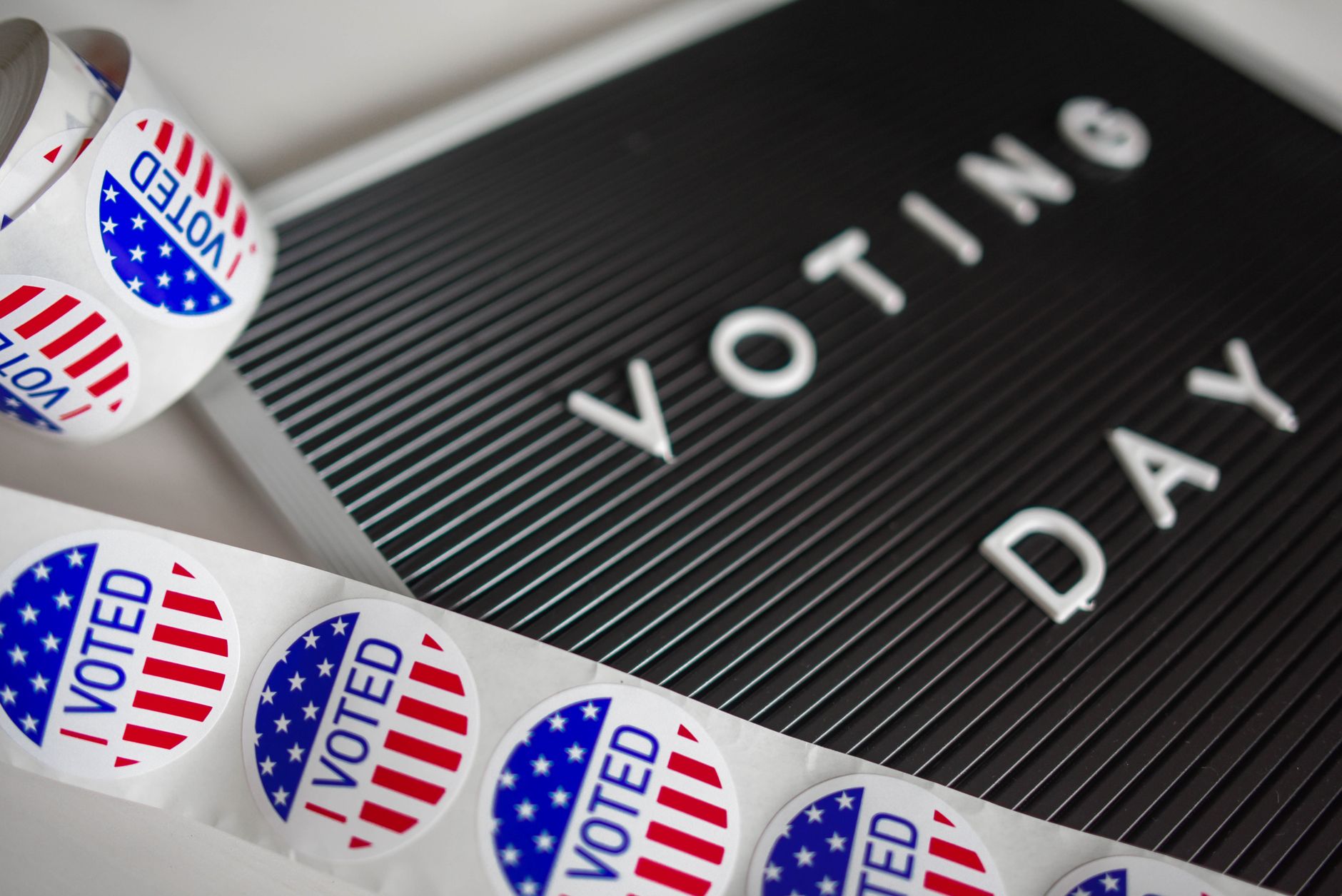
Photo by Element5 Digital on Pexels