


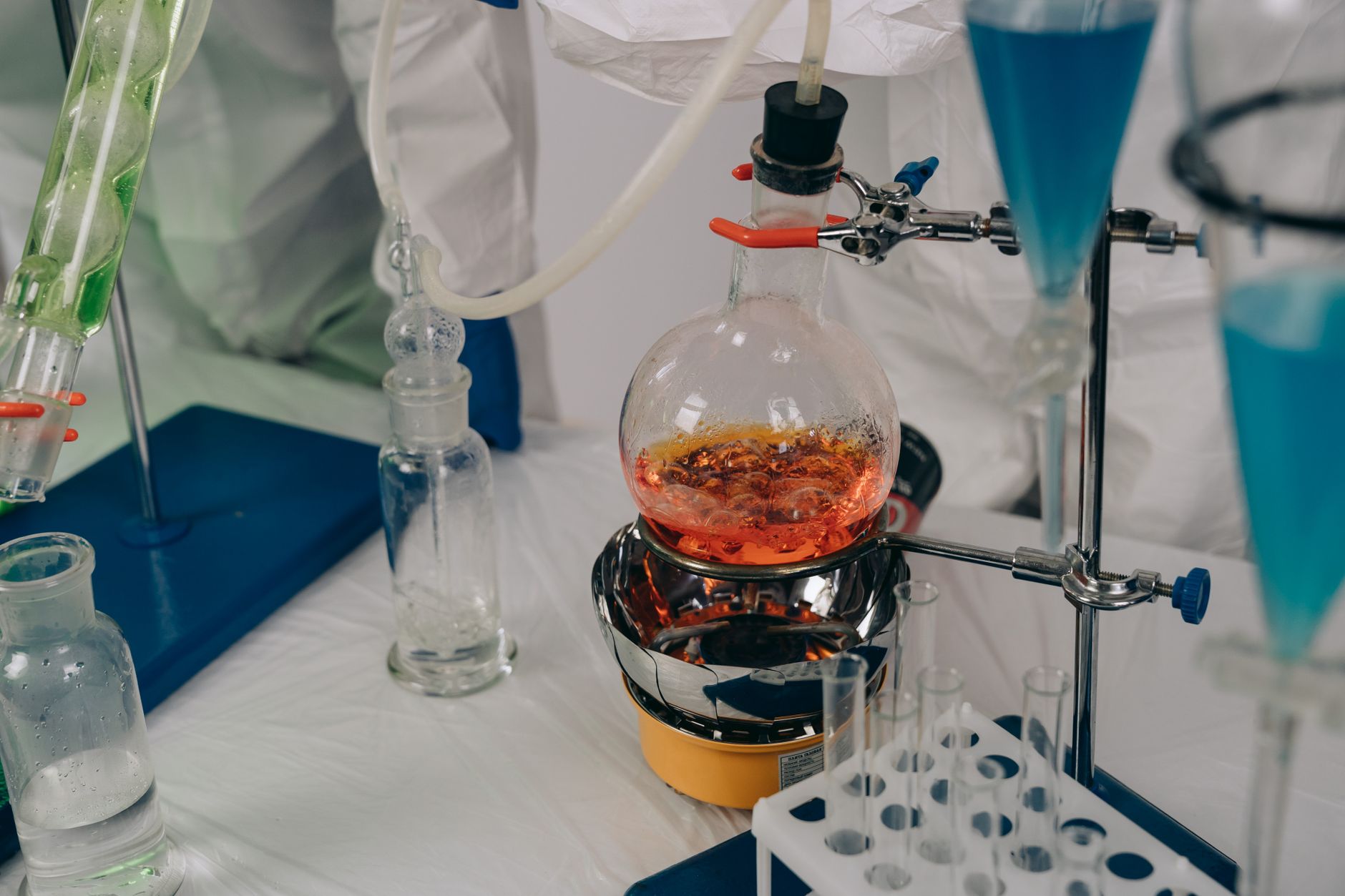
The forever chemicals settlement marks a significant $455 million agreement between chemical companies and North Carolina, addressing serious environmental claims.
Overview of the Settlement
In a significant development regarding environmental accountability, several chemical companies have agreed to a landmark settlement worth $455 million with the state of North Carolina. This comprehensive agreement addresses allegations related to the contamination caused by so-called “forever chemicals,” specifically per- and polyfluoroalkyl substances (PFAS). These chemicals are notorious for their persistence in the environment and potential health risks.
The settlement comes after extensive negotiations between state officials and the companies involved. North Carolina has been at the forefront of legal actions aimed at holding these corporations accountable for the widespread pollution linked to PFAS. As part of the settlement, funds will be allocated for various initiatives, including:
- Cleanup efforts: Targeting contaminated sites to mitigate the impact on communities.
- Public health initiatives: Assessing and addressing health risks associated with PFAS exposure.
- Research funding: Supporting studies on the long-term effects of forever chemicals on human health and the environment.
This settlement marks a pivotal moment in the ongoing battle against environmental pollution and reflects a growing recognition of the need for corporate responsibility in safeguarding public health. As regulatory scrutiny continues to increase, this agreement may set a precedent for future cases involving forever chemicals across the United States.
Impact on North Carolina
The recent forever chemicals settlement has significant implications for North Carolina, where residents have long been affected by the contamination of drinking water with per- and polyfluoroalkyl substances (PFAS). These chemicals, often referred to as “forever chemicals” due to their persistence in the environment, have raised serious health concerns among the population.
As part of the settlement, the $455 million will be allocated to various initiatives aimed at addressing the contamination and supporting affected communities. Key areas of focus include:
- Water Quality Improvements: Funding will be directed towards upgrading water treatment facilities to ensure safer drinking water for residents.
- Public Health Campaigns: Initiatives will be launched to educate the public about the risks associated with PFAS exposure and promote healthy practices.
- Environmental Remediation: Efforts will be made to clean up contaminated sites and prevent further pollution.
- Research and Monitoring: Increased funding for studies to better understand the long-term health effects of exposure to these chemicals.
This settlement marks a pivotal moment in the fight against environmental pollution in North Carolina, signaling a commitment to accountability and public health protection. Residents are hopeful that the financial resources will lead to meaningful change in their communities.
Health Risks of Forever Chemicals
The recent forever chemicals settlement has brought attention to the significant health risks associated with these substances. Also known as per- and polyfluoroalkyl substances (PFAS), forever chemicals have been linked to various adverse health effects that are concerning for public health.
Studies indicate that exposure to PFAS may lead to:
- Increased cancer risk: Research has shown connections between PFAS exposure and certain types of cancer, including kidney and testicular cancer.
- Hormonal disruptions: These chemicals can interfere with endocrine function, potentially leading to reproductive issues and developmental problems in children.
- Immunological effects: PFAS exposure has been linked to reduced vaccine effectiveness and weakened immune responses, raising concerns about overall health resilience.
- Cholesterol changes: Some studies suggest that exposure to forever chemicals may result in elevated cholesterol levels, a known risk factor for heart disease.
As the settlement unfolds, public health experts emphasize the importance of monitoring and regulating the presence of these chemicals in the environment. The implications of the forever chemicals settlement are ongoing, and communities affected by PFAS contamination will need to remain vigilant regarding their health and safety.
Chemical Companies Involved
The recent forever chemicals settlement has brought significant attention to the companies responsible for the contamination. Several major chemical manufacturers have been implicated in this high-profile case, which has financial implications for both the companies involved and the affected communities.
Among the key players in the settlement are:
- DuPont – A pioneer in the production of fluorinated chemicals, DuPont has faced numerous lawsuits over environmental concerns related to its products.
- 3M – Known for its wide range of chemical products, 3M has been a central figure in discussions about the safety and environmental impact of forever chemicals.
- Chemours – A spinoff from DuPont, Chemours has been heavily scrutinized for its role in manufacturing and discharging PFAS compounds.
- Eastman Chemical – This company has also been involved in the production of chemicals linked to serious health and environmental issues.
These companies have agreed to pay a combined total of $455 million, which is intended to address the extensive damage caused by their products. The settlement underscores the growing accountability of chemical manufacturers in the face of public health crises.
Public Reaction to the Settlement
The recent forever chemicals settlement has sparked a wave of reactions from the public, reflecting a mix of relief and skepticism. Many residents of North Carolina, who have long been affected by the contamination, expressed gratitude that the chemical companies are held accountable for their actions. Local community leader, Sarah Johnson, stated, “This settlement is a step in the right direction, but we must ensure that these funds are used effectively to clean our water and support affected families.”
However, not everyone is satisfied. Some activists argue that the $455 million payout is insufficient given the extensive damage caused by the chemicals. “This amount barely scratches the surface of the harm done,” remarked environmental advocate Tom Richards. “We need stricter regulations to prevent this from happening again in the future.”
Additionally, a number of residents voiced concerns over the transparency of how the settlement funds will be allocated. A survey conducted by a local news outlet revealed that over 70% of respondents want clear oversight on the use of the settlement money. “We want to see real change and assurance that our health won’t be compromised again,” said lifelong resident Maria Torres.
As discussions continue, the implications of the settlement remain a focal point for North Carolina communities striving for a safer environment.
Future Regulations on Chemicals
The recent forever chemicals settlement has reignited discussions about the need for stricter regulations on chemical manufacturing and usage. Experts argue that this landmark agreement could serve as a catalyst for policymakers to address the significant environmental and health risks associated with these substances.
Currently, many states lack comprehensive regulations governing the production and disposal of chemicals deemed hazardous. The settlement highlights the urgency for legislation to prevent future liabilities for both companies and communities affected by toxic substances. As awareness of the dangers posed by forever chemicals grows, advocates are calling for:
- Stricter Testing Requirements: Implementing more rigorous testing protocols to ensure that chemical products meet safety standards before entering the market.
- Increased Transparency: Mandating companies to disclose the use of chemicals classified as harmful, allowing consumers to make informed choices.
- Stronger Enforcement Mechanisms: Establishing more robust enforcement of existing environmental laws to hold companies accountable for violations.
As the discussions progress, the outcome of this settlement may influence future regulatory frameworks, potentially leading to a more proactive approach in addressing the ongoing challenges posed by forever chemicals in our environment.
The recent forever chemicals settlement marks a significant step towards accountability for chemical companies. Many communities affected by pollution are hopeful that the forever chemicals settlement will lead to improved safety and environmental standards.
Photo by Mikhail Nilov on Pexels
References
Missouri voting map faces wrong decision in Kavanaugh ruling · Iran India relations: Proven ties that strengthen bonds · Google Steve Jobs email: What’s the Real Impact?