


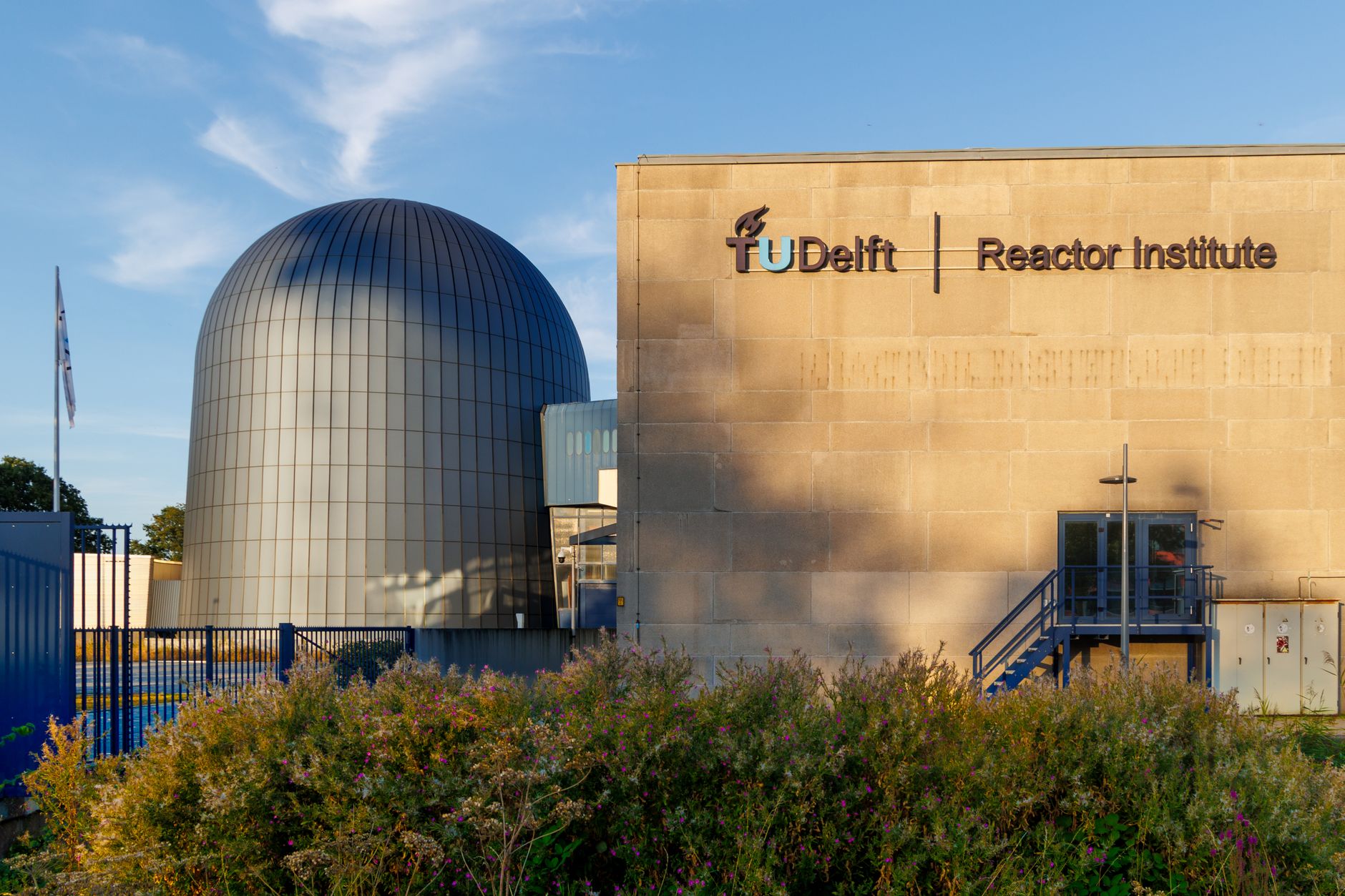
India nuclear reactor efforts have taken a major step forward as fuel loading begins in the fourth reactor at Rawatbhata. This development underscores India’s commitment to expanding its nuclear energy capabilities.
Overview of India’s Nuclear Plans
India’s nuclear ambitions are taking a significant leap forward with the recent commencement of safe fuel loading at the Rawatbhata nuclear reactor. This development marks a crucial milestone in the country’s ongoing efforts to expand its nuclear energy capacity. The Rawatbhata facility, located in Rajasthan, has been a key player in India’s strategy to increase reliance on nuclear power as a sustainable energy source.
The initiative is part of a larger plan that aims to boost India’s nuclear power generation, which currently accounts for a small fraction of the total energy mix. By investing in more nuclear reactors, India seeks to reduce its dependence on fossil fuels and address the pressing issue of climate change.
Key aspects of India’s nuclear plans include:
- Expansion of Nuclear Infrastructure: The government is committed to constructing several new reactors across the country.
- Enhanced Safety Measures: With international collaboration, India is implementing stringent safety protocols in its nuclear facilities.
- Focus on Indigenous Technology: Efforts are underway to develop homegrown technologies for reactor design and fuel production.
- Public Awareness Campaigns: To gain public trust, the government is launching initiatives to educate citizens about nuclear safety and benefits.
As India progresses with its nuclear reactor projects, the focus remains on balancing energy needs with safety and environmental considerations.
Fuel Loading Process Explained
The fuel loading process at the Rawatbhata nuclear facility is a crucial step in advancing India’s nuclear capabilities. This significant milestone reflects the country’s commitment to expanding its energy portfolio through safe and reliable nuclear power. The process involves several meticulously planned stages to ensure safety and efficiency.
Initially, the reactor is prepared for fuel assembly, which includes rigorous inspections and tests. Once the reactor is deemed ready, fuel assemblies are carefully transported to the reactor core. The assemblies consist of enriched uranium, which plays a pivotal role in generating the necessary heat for electricity production.
During the loading phase, precautionary measures are implemented to avoid any potential hazards. Trained personnel monitor the operation closely, ensuring that all protocols are followed. The entire operation is performed under stringent safety regulations to protect both the environment and the public.
After the fuel loading is completed, the reactor will undergo further testing before becoming operational. This step is essential to confirm that the reactor meets all safety standards and can operate effectively. The successful loading of fuel in the fourth reactor at Rawatbhata marks a significant advancement in India’s nuclear reactor program, further solidifying the nation’s role in the global energy landscape.
Impact of Rawatbhata’s Fourth Reactor
The commencement of fuel loading at Rawatbhata’s fourth reactor marks a significant milestone in India’s nuclear ambitions. This development is poised to have far-reaching implications for the country’s energy landscape and its commitment to sustainable development.
As India continues to expand its nuclear capabilities, the Rawatbhata nuclear reactor will play a critical role in increasing the nation’s energy output. The reactor is expected to boost the power generation capacity by approximately 700 megawatts, thereby contributing to the reduction of reliance on fossil fuels.
The environmental impact of this new reactor is also noteworthy. With an emphasis on cleaner energy sources, the Rawatbhata facility aims to diminish carbon emissions associated with traditional energy generation methods. This aligns with India’s broader goals of enhancing energy security while addressing climate change challenges.
Furthermore, the local economy stands to benefit from the operationalization of the fourth reactor. It is anticipated to create numerous job opportunities, from construction to maintenance roles, thereby stimulating economic growth in the region.
In conclusion, the impact of Rawatbhata’s fourth reactor extends beyond mere energy production. It represents a pivotal moment in India’s nuclear journey, signaling a commitment to sustainable energy solutions and economic development.
Future of Nuclear Energy in India
The future of nuclear energy in India appears promising, particularly with the recent developments at the Rawatbhata nuclear facility. As the country seeks to enhance its energy security and reduce reliance on fossil fuels, the successful commencement of safe fuel loading in the fourth reactor marks a significant milestone in India’s nuclear agenda.
The Indian government has set ambitious targets to increase the share of nuclear power in its energy mix. With a commitment to generate 63,000 MW from nuclear energy by 2032, the nation is focusing on expanding its nuclear infrastructure. This effort aligns with global trends towards cleaner energy sources, highlighting the potential of nuclear reactors as a viable alternative.
Moreover, the safety protocols established during the fuel loading process at Rawatbhata reflect India’s dedication to responsible nuclear energy management. Experts believe that with proper regulations and advancements in technology, nuclear reactors can operate safely while contributing to a sustainable energy future.
Additionally, public awareness and acceptance play a crucial role in the expansion of nuclear power in India. As more communities understand the benefits of nuclear energy, including its low carbon emissions, support for future projects is likely to grow.
In conclusion, the progress at Rawatbhata represents not just a step forward for India’s nuclear reactor capabilities, but also a leap toward a greener and more energy-secure future.
The successful initiation of safe fuel loading at the Rawatbhata facility marks a significant milestone for the India nuclear reactor program. Experts believe that this advancement will enhance the overall safety and efficiency of the India nuclear reactor operations.
Photo by Igor Passchier on Pexels
Read the original
Related reading
Is Volcanic Ash Spread Dangerous? Proven Safety Tips · Is India Equity Strategy the Best Proven Investment for 2030? · Insider Trading Disclosure: Clear Insights on Ashiana Housing