


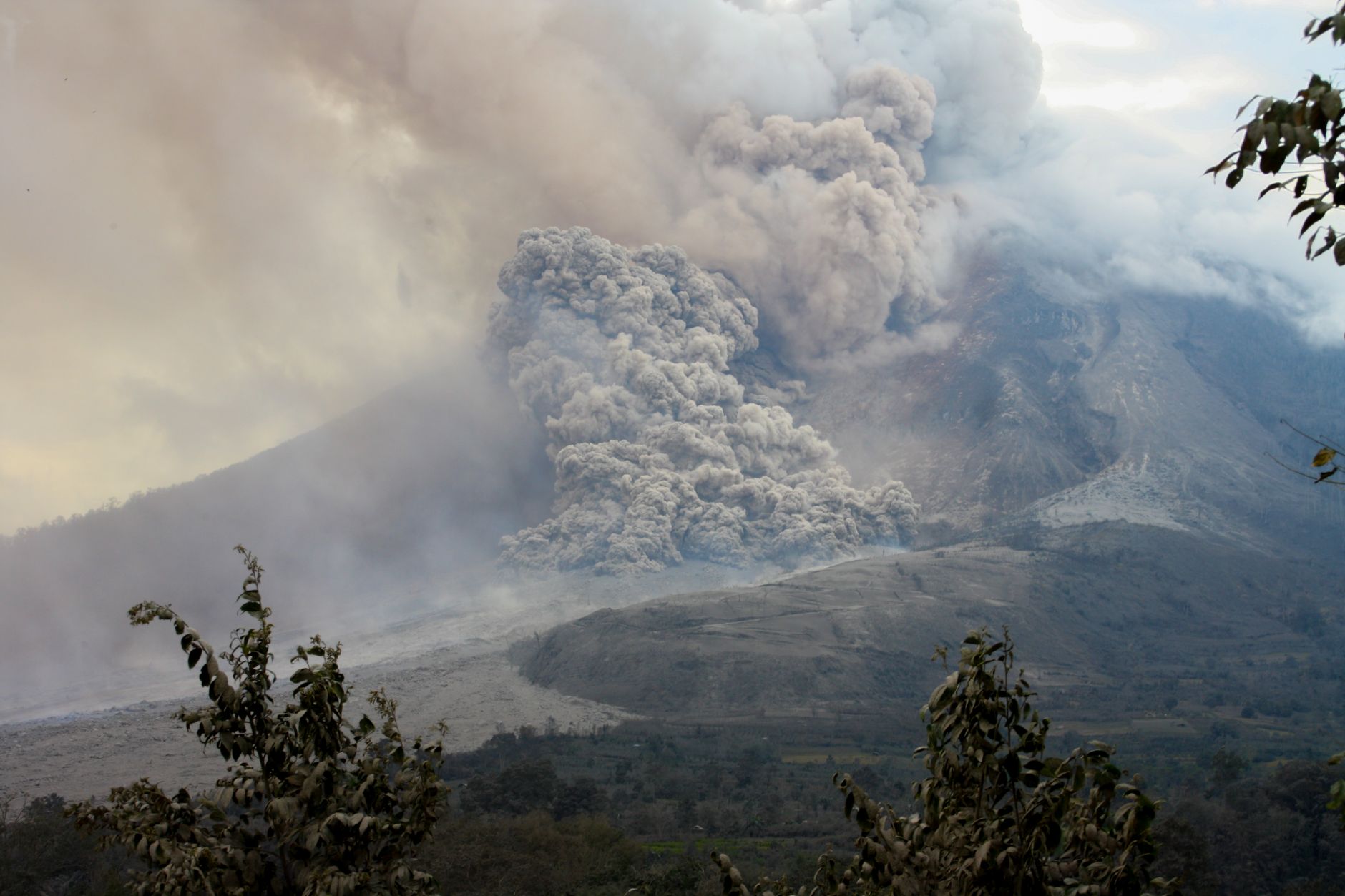
volcanic ash spread is currently being detected across four Indonesian volcanoes, raising alarms about air quality and safety. This situation has prompted authorities to issue warnings and guidelines for residents and travelers.
Understanding Volcanic Ash Spread
Volcanic ash spread is a phenomenon that occurs when volcanic eruptions release fine particles into the atmosphere. These particles can travel vast distances, impacting air quality and creating hazardous conditions for both people and the environment.
When a volcano erupts, it can generate clouds of ash that rise high into the sky. As the ash cools and becomes heavier, it begins to fall back to the ground, affecting areas far from the eruption site. Notably, recent reports indicate that volcanic ash spread has been detected across four Indonesian volcanoes, raising concerns for local communities.
The dangers associated with volcanic ash include:
- Respiratory Issues: Inhalation of ash can lead to serious health problems, particularly for individuals with pre-existing respiratory conditions.
- Infrastructure Damage: Accumulation of ash can cause damage to buildings, roads, and power lines.
- Agricultural Impact: Ash can contaminate water supplies and affect crop yields.
Understanding the risks associated with volcanic ash spread is crucial for preparedness and safety.
Impact on Local Communities
The impact of volcanic ash spread on local communities can be profound and far-reaching. Residents in affected areas may face a range of challenges that can disrupt daily life and pose health risks.
Common effects include:
- Air Quality Issues: Volcanic ash can significantly reduce air quality, leading to respiratory problems for individuals, especially those with pre-existing conditions.
- Infrastructure Damage: The accumulation of ash on roofs and roads can cause structural damage and hinder transportation, complicating emergency response efforts.
- Water Contamination: Ash can contaminate water supplies, making it unsafe for drinking and sanitation purposes.
- Agricultural Impact: Ash can damage crops and soil, leading to economic losses for farmers and affecting food supply chains.
Local authorities are urged to implement safety measures and provide resources for communities to mitigate the effects of volcanic ash spread. Awareness campaigns can help educate residents on how to protect themselves and their properties during such events.
Safety Measures to Take
As volcanic ash spread poses potential risks, it is crucial to take appropriate safety measures to protect yourself and your loved ones. Here are several recommended steps:
- Stay Indoors: During an ashfall, limit your time outside to minimize exposure. Keep windows and doors closed to prevent ash from entering your home.
- Use Protective Equipment: If you must go outside, wear masks designed to filter out fine particles and goggles to protect your eyes from irritation.
- Clear Ash Safely: When removing ash from roofs or driveways, use a mask and avoid dry sweeping, which can stir up dust. Instead, dampen the ash to reduce airborne particles.
- Monitor Air Quality: Stay informed about the air quality in your area and heed warnings from local authorities regarding health advisories.
- Prepare an Emergency Kit: Ensure you have supplies such as food, water, medications, and a battery-powered radio in case of prolonged ashfall and power outages.
By following these safety tips, you can better protect yourself from the dangers associated with volcanic ash spread.
What Causes Volcanic Ash?
Volcanic ash is a byproduct of explosive volcanic eruptions, formed when magma is fragmented into tiny particles as it is ejected into the atmosphere. The process begins with the buildup of pressure within a volcano, often due to the accumulation of gas and molten rock. When the pressure becomes too great, it results in an eruption, releasing a mixture of gases, ash, and lava.
The composition of the ash can vary significantly depending on the type of volcano and the materials involved in the eruption. As the ash disperses, it can travel vast distances, leading to widespread volcanic ash spread that can affect air quality, agriculture, and human health.
Key factors influencing the spread of volcanic ash include:
- Wind direction: Strong winds can carry ash clouds far from the eruption site.
- Particle size: Smaller particles remain airborne longer, increasing the area affected.
- Volcanic activity: Ongoing eruptions can result in continuous ash production.
Recent Volcanic Activity in Indonesia
Recent volcanic activity in Indonesia has raised concerns regarding the volcanic ash spread from several prominent volcanoes. Notable eruptions have occurred at Mount Merapi, Mount Sinabung, and Mount Semeru, leading to significant ash clouds that extend over vast areas. This activity is not uncommon, as Indonesia sits along the Pacific Ring of Fire, making it one of the most volcanically active regions in the world.
The ash released during these eruptions can travel hundreds of kilometers, affecting air quality and posing risks to health and safety in nearby communities. Residents in affected areas have reported respiratory issues and visibility problems due to the dense ash fallout. Additionally, the ash can disrupt transportation and agriculture, leading to economic challenges for local farmers.
Authorities are closely monitoring the situation and have issued advisories to ensure public safety. It is crucial for residents to stay informed and heed warnings, as the potential for further eruptions and volcanic ash spread remains a significant concern in the region.
Future Predictions for Volcanoes
As scientists continue to monitor volcanic activity, future predictions for volcanoes remain crucial for understanding the potential dangers associated with volcanic ash spread. Experts emphasize the importance of ongoing research to improve forecasting models and enhance public safety measures.
Recent advancements in technology have allowed for more accurate predictions of volcanic eruptions, which can help communities prepare for the potential impact of ash fallout. Some key areas of focus include:
- Monitoring seismic activity: Increased seismic events often precede eruptions, serving as a warning sign.
- Satellite imagery: This technology enables real-time tracking of ash clouds and their dispersion patterns.
- Community preparedness: Engaging local populations in evacuation drills and information dissemination is vital for safety.
While the unpredictability of volcanic activity poses challenges, scientists are committed to enhancing their understanding of volcanic systems. This ongoing research is essential for minimizing hazards associated with volcanic ash spread and protecting vulnerable communities.
Photo by Suhairy Tri Yadhi on Pexels