


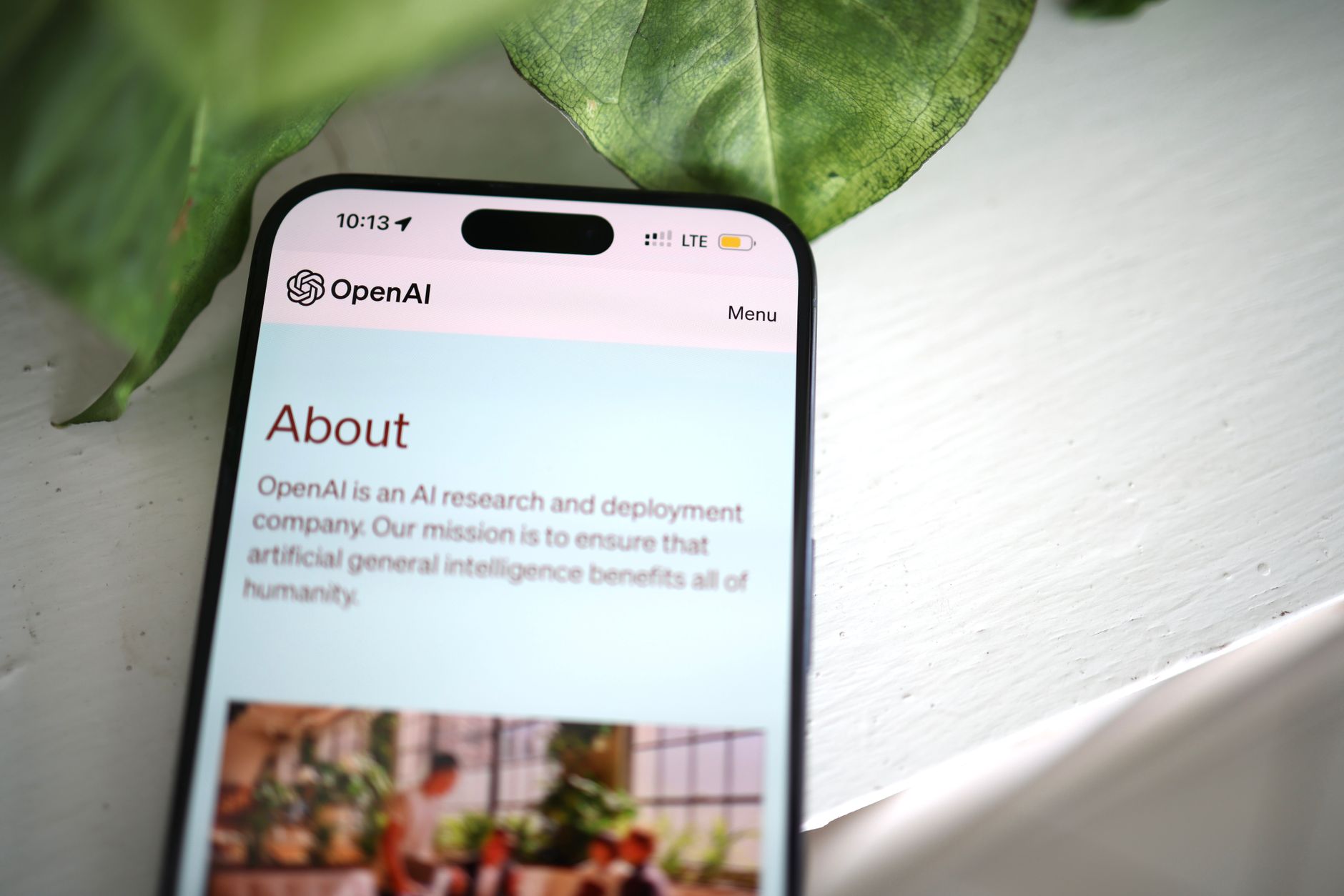
OpenAI smartest people quit, sparking discussions about the reasons behind their departure. Sam Altman has shed light on this significant event, raising questions about the future of AI development.
Background on OpenAI’s founding
OpenAI was founded in December 2015 with the mission to ensure that artificial general intelligence benefits all of humanity. The organization quickly attracted some of the brightest minds in the field of artificial intelligence, aiming to push the boundaries of what AI can achieve. OpenAI’s innovative approach combined cutting-edge research with a commitment to ethical considerations, positioning it as a leader in AI development.
Over the years, OpenAI has made significant strides, including the development of advanced language models and reinforcement learning algorithms. However, in recent months, there has been a notable shift as several of the smartest people at OpenAI decided to leave the organization. This decision has sparked discussions around the underlying motivations and future implications for both the individuals and the company.
- Focus on collaborative research
- Commitment to safe AI practices
- Challenges in aligning visions within the organization
These factors have contributed to the growing concern regarding why the smartest people at OpenAI chose to pursue their own AI ventures.
Insights from Sam Altman
In a recent interview, Sam Altman provided insights into the departures of some of the smartest people at OpenAI, who have chosen to leave the organization and pursue their own AI ventures. According to Altman, the environment at OpenAI has become increasingly challenging, leading to a rift between the company’s innovative ambitions and its operational realities.
Altman emphasized that while OpenAI has made significant strides in AI development, the pressure to balance safety and progress has created discontent among top talent. He noted that many of these individuals felt constrained by the organization’s governance and strategic direction, prompting their decision to quit and explore alternative paths.
He expressed mixed feelings about their exit, acknowledging that while he understands their motivations, he believes that collaboration within OpenAI could have led to even greater advancements in AI. This situation highlights a broader trend in the tech industry, where top minds seek more freedom in their creative pursuits, ultimately influencing the landscape of artificial intelligence development.
Impact of employee departures
The recent departure of some of the smartest people at OpenAI has raised significant concerns within the tech community regarding the future of artificial intelligence development. These exits could potentially impact the organization’s innovative edge and collaborative environment.
As key personnel leave to pursue their own AI ventures, the knowledge and expertise they take with them may lead to a shift in the competitive landscape. The loss of talent not only leaves a gap in OpenAI’s leadership but also affects ongoing projects, potentially delaying advancements that can benefit society at large.
Moreover, the departures highlight an emerging trend where top-tier talent seeks independence in developing AI technologies that align more closely with their personal visions. This trend may create a fragmented ecosystem, with former OpenAI employees establishing startups aimed at pushing the boundaries of AI.
In light of these changes, industry experts are calling for greater attention to employee retention strategies, which may be crucial for maintaining a cohesive and innovative culture within organizations like OpenAI.
Future of AI after OpenAI
The departure of some of the smartest people at OpenAI has raised questions about the future of artificial intelligence (AI) development. As these talented individuals venture into creating their own AI initiatives, the landscape is poised for rapid transformation.
One potential outcome is an increase in competition among AI startups, which could lead to innovation at an unprecedented pace. With fresh ideas and approaches, these new entities may challenge established norms and push the boundaries of what AI can achieve.
Moreover, the exit of top talent may result in a shift in values within the AI community. As the founders of new projects prioritize different ethical considerations and design philosophies, the implications for user privacy, safety, and transparency will be profound.
In this evolving scenario, the question arises: can the remaining teams at OpenAI maintain their leadership in AI research? The answer may depend on their ability to adapt and innovate in a rapidly changing environment, especially now that some of the smartest people have chosen to forge their own paths.
Reactions from the tech community
The recent departure of what many consider to be the smartest people at OpenAI has ignited a wave of reactions throughout the tech community. Industry experts and analysts are weighing in on the implications of this mass exit, with some expressing concern over the future direction of AI development without these key figures at the helm.
Many in the field are speculating that the decision to leave was driven by a desire for greater creative freedom and autonomy. “It’s not just about the technology; it’s about the vision for AI,” stated one prominent AI researcher. Others have pointed to the growing tension between profit motives and ethical considerations in AI research as a potential catalyst for the departures.
Some former OpenAI employees have taken to social media to voice their frustrations and ambitions. “We want to build AI that aligns with our values,” one remarked, hinting at a future project that may rival OpenAI itself.
As the dust settles, the tech community remains watchful for what these innovators will create next.
Lessons learned from the exit
The recent departure of some of the smartest people at OpenAI has prompted a wave of reflections within the tech community. Their exit serves as a reminder of the dynamic nature of innovation and the importance of aligning vision with organizational goals.
Several key lessons can be drawn from this situation:
- Value of Autonomy: The quest for greater creative freedom often drives talented individuals to seek environments where they can experiment without constraints.
- Alignment of Mission: When personal and organizational values diverge, it can lead to dissatisfaction and, ultimately, departures.
- Importance of Collaboration: Effective teamwork is crucial in AI development; a lack of cohesion can hinder progress and motivate individuals to leave.
- Continuous Learning: The tech landscape is ever-evolving, and the need for ongoing education and adaptation is vital for retaining top talent.
These insights may help both existing and future organizations foster environments that attract and retain their brightest minds.
What’s next for OpenAI?
As OpenAI navigates the aftermath of its recent departures, questions arise about the organization’s future direction. With some of the smartest people at OpenAI choosing to quit, a significant shift in talent and vision is expected. Many industry experts are speculating on the potential ramifications of this exodus.
Current leadership may need to reassess their strategies to retain remaining talent and attract new experts. OpenAI has been at the forefront of artificial intelligence development, but the loss of key figures could disrupt ongoing projects and research. The focus now will likely be on:
- Enhancing collaboration within existing teams to foster innovation.
- Pursuing new partnerships that could reinvigorate their mission.
- Ensuring that AI development aligns with ethical standards and public expectations.
- Exploring emerging technologies and methodologies to stay competitive.
Ultimately, the landscape of AI is evolving, and OpenAI must adapt to ensure it remains a leader in the field despite the impact of the smart individuals who chose to leave.
The recent news that OpenAI smartest people quit has sent shockwaves through the tech community. Many are speculating that the reasons behind why OpenAI smartest people quit are more complex than initially thought.
Photo by Solen Feyissa on Pexels