

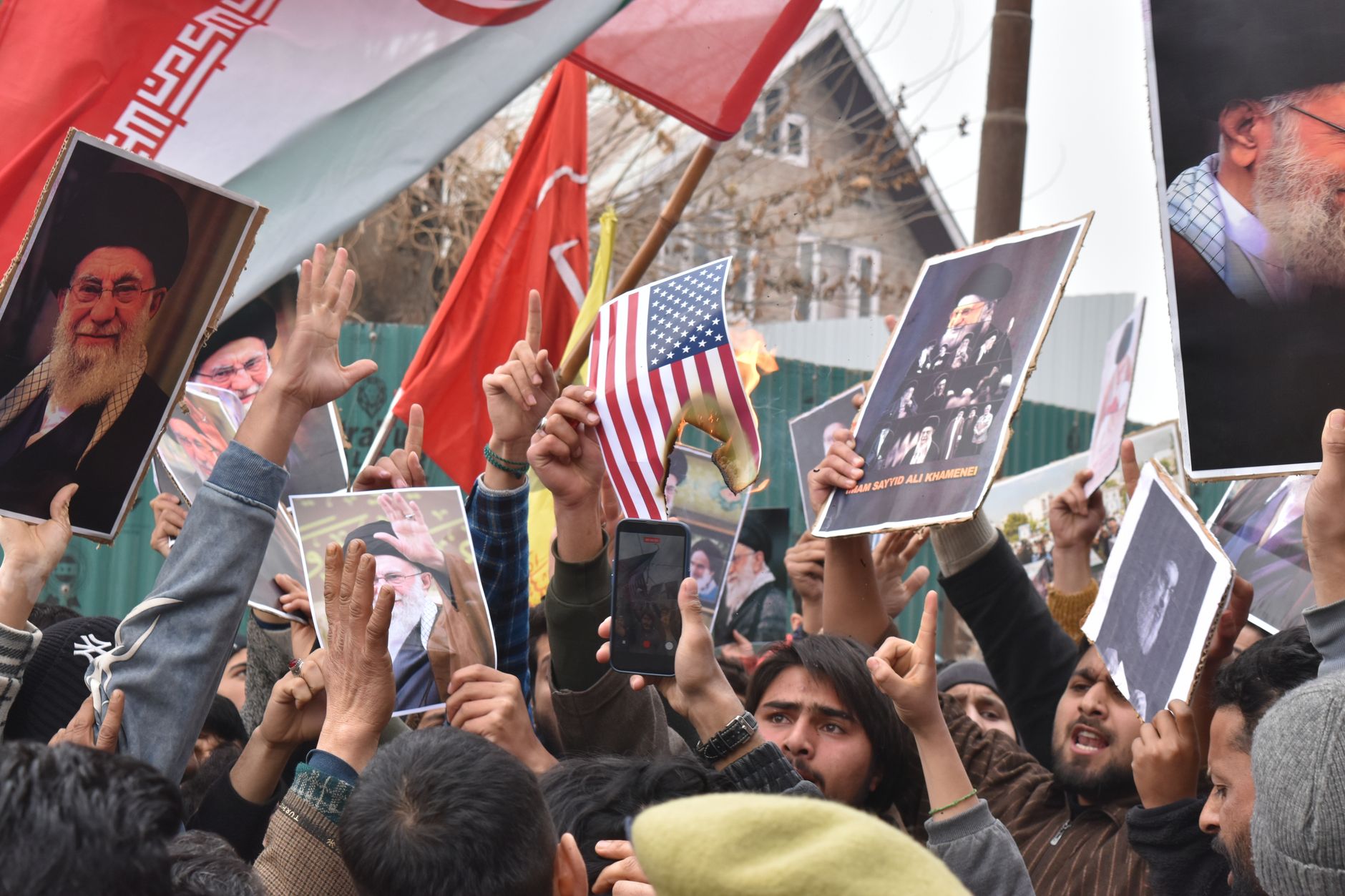
US-Iran escalation is a growing concern as tensions rise in the region. Mediators are actively seeking solutions to prevent further conflict on Qeshm island and Hormuz.
Understanding the US-Iran Escalation
The ongoing US-Iran escalation has raised significant concerns among global leaders and analysts. The situation has been exacerbated by recent military actions and rhetoric from both sides, prompting a call for urgent mediation to prevent further conflict.
Central to understanding this escalation are several key factors:
- Geopolitical Tensions: The US and Iran have a long history of adversarial relations, dating back to the 1979 Iranian Revolution. Recent developments, including sanctions and military posturing, have intensified these tensions.
- Strategic Locations: Regions like Qeshm Island and the Strait of Hormuz are critical for international oil shipments, making any conflict a global concern.
- Mediation Efforts: Various nations and organizations are stepping in to facilitate dialogue between the US and Iran, aiming to reduce hostilities and foster a peaceful resolution.
- Public Sentiment: Citizens in both countries are increasingly wary of the consequences of prolonged conflict, advocating for diplomacy over military action.
Understanding these dynamics is essential for navigating the complexities of the US-Iran escalation and exploring pathways to peace.
Recent Events in Qeshm Island and Hormuz
Recent events in Qeshm Island and the Strait of Hormuz have intensified concerns over the ongoing US-Iran escalation. Over the past few weeks, tensions have risen following a series of incidents that have drawn international attention. Reports indicate that military activities near Qeshm Island have increased, prompting fears of potential conflict.
- Naval Exercises: Both the US and Iranian forces have conducted military drills in the region, showcasing their capabilities and readiness to respond to any threats.
- Drone Incidents: There have been multiple sightings of drones operating in the vicinity, leading to accusations from both sides regarding surveillance and provocative actions.
- Diplomatic Efforts: In the face of rising tensions, mediators from various countries are attempting to facilitate dialogue between the US and Iran to prevent further escalation.
The situation remains precarious, with analysts warning that any miscalculation could lead to a significant military confrontation. As stakeholders seek a peaceful resolution, the international community is watching closely, hoping for a de-escalation of tensions in this strategically vital area.
Role of Mediators in Conflict Resolution
The role of mediators in the ongoing US-Iran escalation is crucial for fostering dialogue and promoting peaceful resolutions. As tensions rise, finding neutral parties to facilitate discussions can help bridge the gap between the two nations.
Mediators often employ a variety of strategies to encourage cooperation and understanding. These can include:
- Shuttle Diplomacy: Engaging in back-and-forth communication between conflicting parties to find common ground.
- Confidence-Building Measures: Initiating small agreements that can pave the way for larger negotiations.
- Third-Party Guarantees: Providing assurances from neutral countries or organizations to reinforce commitments.
In light of recent events in Qeshm Island and Hormuz, the urgency for effective mediation has become more pronounced. The international community is watching closely, as the stakes are high. Mediators must not only address immediate tensions but also work towards long-term solutions that can prevent future escalations.
Ultimately, the success of mediators in this complex landscape will depend on their ability to foster trust and create an atmosphere conducive to meaningful dialogue, ensuring that all parties feel heard and respected.
Potential Outcomes of Continued Tensions
The ongoing US-Iran escalation poses significant risks not only to regional stability but also to global peace. As tensions mount, several potential outcomes emerge, each with its own implications for the future.
- Increased Military Engagement: Continued hostilities may lead to a direct military confrontation, which could escalate rapidly and involve multiple nations, threatening broader conflict.
- Economic Consequences: Prolonged tensions may result in stricter sanctions against Iran, further crippling its economy and potentially causing humanitarian crises, while also impacting global oil markets.
- Diplomatic Isolation: Iran may find itself increasingly isolated on the world stage, with fewer allies willing to support its position, which could pressure the Iranian government to reconsider its strategy.
- Opportunities for Dialogue: Conversely, heightened tensions could also pave the way for renewed diplomatic efforts. If mediators succeed, a peaceful resolution could emerge from the current crisis, altering the trajectory of US-Iran relations.
Ultimately, the outcome of this escalation will depend on the actions of key stakeholders and the willingness of both sides to engage in constructive dialogue.
Historical Context of US-Iran Relations
The historical context of US-Iran relations is marked by a complex interplay of diplomacy, conflict, and ideological differences. Since the 1979 Iranian Revolution, which saw the overthrow of the Shah, relations between the two nations have been fraught with tension and mistrust.
Key events that have shaped this relationship include:
- The Hostage Crisis (1979-1981): Following the revolution, 52 American diplomats and citizens were held hostage for 444 days, leading to a significant deterioration in relations.
- The Iran-Iraq War (1980-1988): The US supported Iraq during the conflict, further alienating Iran and solidifying its anti-American sentiment.
- The Nuclear Deal (2015): The Joint Comprehensive Plan of Action (JCPOA) represented a thaw in relations, with Iran agreeing to limit its nuclear program in exchange for sanctions relief.
- Withdrawal from the JCPOA (2018): The US exit from the agreement initiated a new phase of escalation, leading to heightened tensions and military confrontations.
Understanding this historical context is crucial for any discussions surrounding the ongoing US-Iran escalation and potential paths toward a peaceful resolution.
To address the ongoing US-Iran escalation, diplomatic channels must be prioritized to foster dialogue and understanding. By working collaboratively, both nations can navigate the complexities of US-Iran escalation and seek a peaceful resolution.
Photo by Tawseef Ahmad on Pexels