


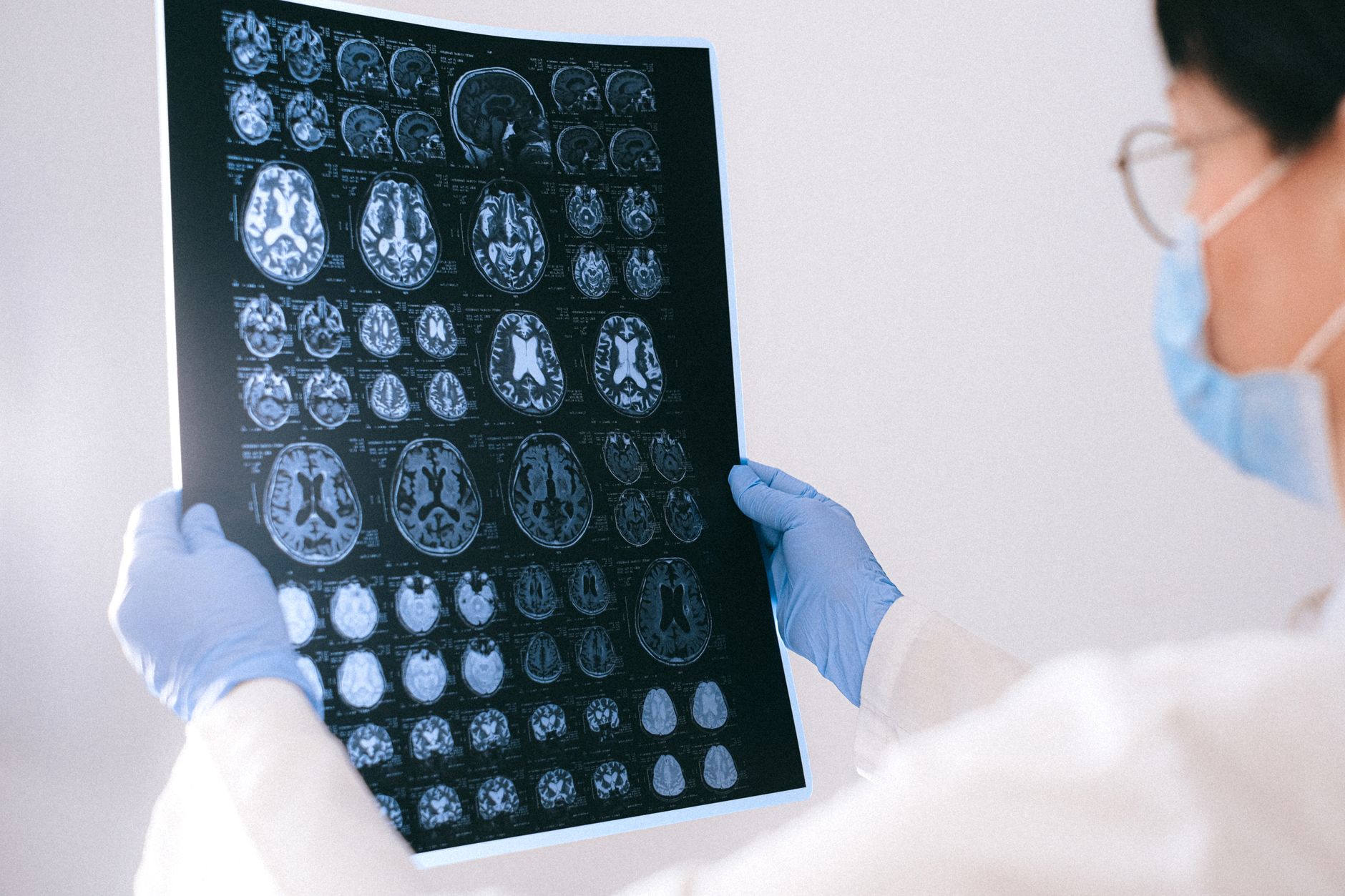
Alzheimer’s disease treatment is evolving as the SKKU Research Team opens new avenues by restoring brain immune balance, offering hope for effective therapies.
Understanding Alzheimer’s Disease
Alzheimer’s disease is a progressive neurological disorder that primarily affects memory and cognitive functions. It is characterized by the accumulation of amyloid plaques and tau tangles in the brain, leading to the degeneration of neurons. As the disease advances, individuals may experience a range of symptoms, including confusion, mood changes, and difficulty with daily tasks.
Research has shown that the immune system plays a crucial role in the progression of Alzheimer’s disease. Abnormal immune responses can exacerbate inflammation in the brain, contributing to neuronal damage. Understanding these mechanisms is essential for developing effective treatments.
Recently, a team from SKKU has made significant strides in this area, focusing on restoring the balance of brain immune functions. Their findings suggest that by targeting specific immune pathways, it may be possible to halt or even reverse some of the damage caused by Alzheimer’s disease. This innovative approach represents a promising new avenue for Alzheimer’s disease treatment, offering hope not only for patients but also for their families.
- Progressive neurological disorder
- Affects memory and cognitive functions
- New treatments focusing on immune balance
The Role of Brain Immune Balance
The recent research conducted by the SKKU team highlights the critical role of brain immune balance in combating Alzheimer’s disease. When the immune system in the brain is out of balance, it can contribute to neuroinflammation, which is known to exacerbate the progression of Alzheimer’s disease.
In their groundbreaking study, the researchers identified specific immune cells that, when properly regulated, can help restore this balance. This restoration is essential for promoting neuronal health and function. The findings suggest that targeting these immune pathways could lead to innovative Alzheimer’s disease treatment strategies.
Key points from the study include:
- Immune Dysregulation: Disruption in the immune response can lead to increased inflammation, damaging neurons.
- Restoration Methods: Techniques to modulate immune cell activity may provide new therapeutic options.
- Potential Benefits: A balanced immune system could slow or even halt the progression of Alzheimer’s symptoms.
This research offers renewed hope for patients and their families, emphasizing the importance of understanding the immune system’s role in Alzheimer’s disease treatment.
New Research Findings
Recent studies conducted by the SKKU research team have unveiled promising findings in the quest for effective Alzheimer’s disease treatment. This groundbreaking research highlights the significance of restoring the brain’s immune balance as a pivotal approach to tackling this debilitating condition.
The team discovered that a specific imbalance in brain immunity can exacerbate the progression of Alzheimer’s disease. By developing a method to restore this balance, researchers observed a marked improvement in cognitive functions in experimental models. This restoration not only alleviated symptoms but also slowed the overall progression of the disease.
The implications of these findings are vast, as they suggest that modulating the brain’s immune response could serve as a viable therapeutic strategy. Key aspects of the research include:
- Identification of immune markers: Researchers pinpointed specific markers indicative of immune imbalance in Alzheimer’s patients.
- Targeted therapies: The study paves the way for new treatments aimed at correcting immune dysfunction.
- Long-term benefits: Early intervention may lead to sustained cognitive health in affected individuals.
These advancements represent a beacon of hope for patients and families affected by Alzheimer’s disease.
Future Implications for Treatment
The advancements in Alzheimer’s disease treatment have far-reaching implications for patients and their families. As research continues to unveil the complexities of the disease, it becomes increasingly evident that restoring brain immune balance is a pivotal factor in developing effective therapies.
Experts suggest that future treatments may not only target the symptoms of Alzheimer’s but also address the underlying immune dysfunction. This holistic approach could potentially slow the progression of the disease, offering renewed hope to millions affected by this condition.
Moreover, as scientists delve deeper into the role of inflammation in Alzheimer’s, it is expected that new drug therapies will emerge. These therapies may aim to modulate the brain’s immune response, enhancing cognitive function and improving the quality of life for patients.
- Innovative Drug Development: Research is focused on identifying compounds that can effectively balance brain immunity.
- Personalized Medicine: Tailored treatments based on individual immune profiles may become a reality.
- Preventive Strategies: Understanding immune mechanisms could lead to preventive measures for at-risk populations.
In conclusion, the future of Alzheimer’s disease treatment is bright, with new strategies on the horizon that may transform patient outcomes.
Photo by Anna Shvets on Pexels