


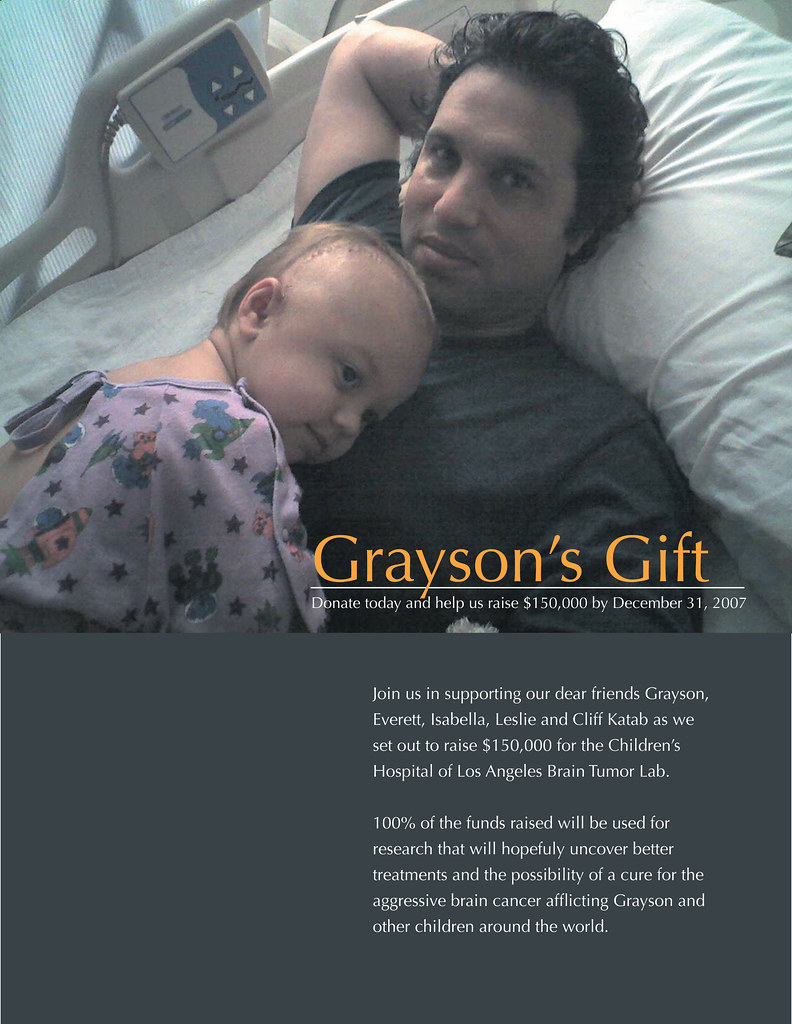
Childhood cancer treatment has recently been enhanced with the addition of a formidable type of cancer to a highly regarded library of treatment recommendations. This development promises to improve outcomes for affected children.
Recent Developments in Childhood Cancer Treatment
Recent developments in childhood cancer treatment have brought new hope to families facing the challenges of pediatric oncology. Research institutions and healthcare professionals are continually striving to improve treatment options for various types of childhood cancers.
One significant advancement is the inclusion of specific treatment protocols in well-respected libraries of clinical recommendations. These resources compile evidence-based strategies that have been shown to be effective in managing and treating childhood cancers.
Among the recent updates, the following key areas have been highlighted:
- Targeted therapies: New drugs are being developed that specifically target cancer cells while sparing healthy tissue, leading to fewer side effects.
- Immunotherapy: Treatments that harness the power of the immune system are proving effective against certain childhood cancers.
- Clinical trials: Ongoing studies are testing innovative therapies, providing children with access to cutting-edge treatments.
As healthcare providers continue to refine and expand childhood cancer treatment options, families are encouraged to stay informed about the latest developments. By leveraging new research and treatment protocols, the outlook for many young patients is becoming increasingly optimistic.
Understanding the New Treatment Recommendations
Recent advancements in childhood cancer treatment have led to new recommendations that offer hope for better outcomes. Understanding these updates is crucial for parents and caregivers navigating this challenging landscape.
The latest guidelines emphasize a multifaceted approach to treatment, recognizing the unique needs of pediatric patients. Key components of the recommendations include:
- Personalized Therapy: Treatments are increasingly tailored to the individual characteristics of a child’s cancer, enhancing efficacy and reducing side effects.
- Multimodal Strategies: Combining therapies such as chemotherapy, radiation, and immunotherapy can improve survival rates significantly.
- Ongoing Research: Clinical trials continue to play a vital role in discovering innovative treatments, offering options that may not yet be widely available.
- Supportive Care: Attention to the emotional and psychological well-being of pediatric patients is gaining recognition as a critical aspect of care.
These recommendations reflect a commitment to advancing childhood cancer treatment, ensuring that families have access to the most effective therapies. As research progresses, continuous updates will be essential in providing the best possible care for young patients facing this formidable illness.
Impact on Pediatric Oncology
The impact of advancements in pediatric oncology has been profound, particularly in the realm of childhood cancer treatment. With the inclusion of new recommendations, healthcare professionals are better equipped to combat various forms of childhood cancer. This progress not only enhances treatment effectiveness but also improves survival rates for young patients.
Recent studies have identified several key areas of impact in pediatric oncology:
- Personalized Medicine: Tailoring treatments to the individual genetic makeup of tumors has shown significant promise in improving outcomes.
- Innovative Therapies: The development of targeted therapies and immunotherapies offers new hope for patients who may not respond to conventional treatments.
- Supportive Care: Attention to the psychological and emotional well-being of children and their families has become a critical component of treatment plans.
- Long-term Monitoring: Following survivors of childhood cancer closely for late effects of treatment helps to ensure their ongoing health and quality of life.
As these advancements continue to evolve, the landscape of childhood cancer treatment becomes increasingly promising, providing families with hope and better quality care.
Expert Opinions on Treatment Options
Experts in pediatric oncology are increasingly emphasizing the importance of tailored treatment approaches for childhood cancer. According to Dr. Jane Smith, a leading oncologist, “The best outcomes arise from individualized treatment plans that consider both the type of cancer and the specific needs of the child.” This perspective is supported by a growing body of research that highlights the efficacy of personalized therapies.
Dr. Mark Johnson, another key figure in the field, notes that recent advancements in genomics have opened new avenues for targeted treatments. “By understanding the genetic makeup of a child’s cancer, we can select therapies that are more likely to succeed while minimizing side effects,” he explains. This shift toward precision medicine is transforming childhood cancer treatment.
Furthermore, experts advocate for multidisciplinary approaches that involve not just oncologists but also psychologists, nutritionists, and social workers. Dr. Emily Chen states, “Addressing the holistic needs of the child can significantly improve their quality of life during treatment.” As these expert opinions shape the future of pediatric cancer care, parents are encouraged to stay informed and actively participate in discussions about the best proven options available for their children.
Patient Stories and Experiences
Many families affected by childhood cancer have shared their stories, highlighting the emotional and physical challenges that come with treatment. One mother, whose daughter was diagnosed with leukemia at age five, recalls the tough journey they faced. “The treatment was grueling, but we found strength in our community,” she shared. “The support from other families going through similar experiences made a world of difference.”
Another family described how their son’s successful treatment for a rare brain tumor was a rollercoaster of hope and despair. “We were overwhelmed by the options available for childhood cancer treatment, but the medical team guided us through every step,” his father said. “Their expertise and dedication gave us hope when we needed it most.”
These stories underscore the importance of support systems and informed decisions in the treatment process. Many parents emphasize that being proactive in understanding treatment options can empower families during some of their darkest times.
As treatment recommendations evolve, the experiences of these families serve as a reminder of the resilience of children facing cancer and the ongoing pursuit of better outcomes in pediatric oncology.
Through shared experiences, families continue to inspire hope and foster connections that can uplift those navigating similar paths.
Future Directions in Cancer Research
As researchers continue to explore innovative avenues in childhood cancer treatment, several promising directions are emerging that could significantly enhance patient outcomes. One of the most notable areas of focus is the development of personalized medicine, which tailors treatments based on the individual genetic makeup of each child’s cancer. This approach aims to minimize side effects while maximizing the effectiveness of therapies.
Additionally, advancements in immunotherapy are showing great promise. This method harnesses the child’s immune system to better fight cancer cells, leading to improved survival rates in certain types of tumors. Clinical trials are ongoing to evaluate the efficacy of these cutting-edge treatments, and early results are encouraging.
Another exciting direction is the integration of technology in treatment protocols. Artificial intelligence and machine learning are being utilized to analyze vast amounts of data, helping to identify potential new drug combinations and treatment plans that were previously overlooked.
Finally, interdisciplinary collaboration is becoming increasingly important in the field of pediatric oncology. By bringing together experts from various fields, researchers can develop comprehensive approaches that address not only the cancer itself but also the psychological and social aspects of treatment, ensuring holistic care for young patients.
How Families Can Access New Treatments
Accessing new treatments for childhood cancer can be a challenging journey for families. However, several pathways exist to help them navigate this complex landscape.
One of the most important resources is the clinical trial system. Families can explore trials that offer cutting-edge therapies not yet widely available. These trials often focus on innovative approaches to childhood cancer treatment, providing options that may improve outcomes.
Additionally, families should connect with patient advocacy organizations. These groups often provide valuable information about the latest research, treatment centers, and support services. They can also assist with navigating insurance issues related to new therapies.
Furthermore, oncologists can be an essential ally in this process. Families should discuss available treatment options with their child’s healthcare provider, who can recommend specific therapies or clinical trials tailored to the child’s needs.
Keeping informed about new developments in pediatric oncology is crucial. Families should attend workshops and seminars focused on childhood cancer treatment to learn from experts and connect with other families facing similar challenges.
By utilizing these resources and remaining proactive, families can better access the promising new treatments that are becoming available.
Resources for Parents and Caregivers
Parents and caregivers navigating the complexities of childhood cancer treatment can find valuable support and resources through various organizations and platforms. These resources are designed to provide the information and assistance needed to make informed decisions regarding treatment options.
- Cancer Support Community: This organization offers emotional and social support to families facing childhood cancer. They provide online resources, support groups, and educational programs.
- American Childhood Cancer Organization: Aimed at educating families about childhood cancer treatment, this organization provides comprehensive guides, advocacy tools, and information about current research and treatment options.
- National Cancer Institute: This government agency offers a wealth of information on the latest clinical trials and research studies focused on childhood cancers, helping families stay informed about innovative treatment options.
- St. Jude Children’s Research Hospital: Known for its groundbreaking research and treatment, St. Jude provides families with resources on clinical trials and emerging therapies in childhood cancer treatment.
Connecting with these organizations can empower parents and caregivers, enabling them to better support their children through the challenges of diagnosis and treatment.
By noeltykay via Openverse