

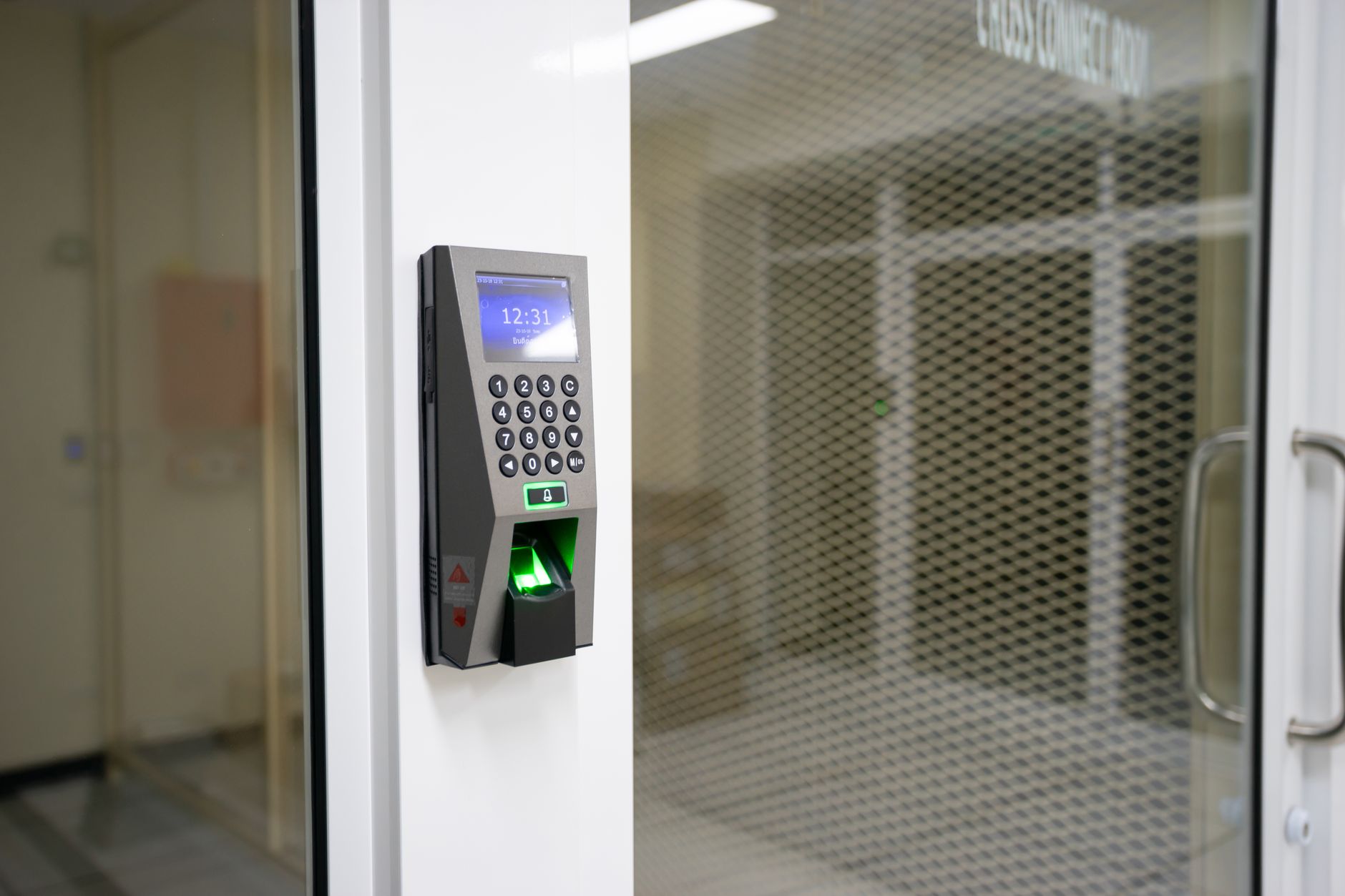
The facial attendance system is set to revolutionize attendance tracking in Telangana schools. This innovative approach aims to streamline the process and improve accuracy in attendance records.
Introduction to the Facial Attendance System
The implementation of a facial attendance system is gaining traction in educational institutions, particularly in India. This innovative technology aims to streamline and enhance the attendance tracking process for students. With the Telangana Board of India Intermediate set to introduce this system, many are eager to understand its potential benefits and challenges.
The facial attendance system utilizes advanced biometric recognition to automatically record student attendance, eliminating the need for traditional roll calls or manual verification. This not only saves time for teachers but also reduces the chances of human error.
Some key features of the facial attendance system include:
- Real-time attendance tracking
- Improved security measures
- Data integration with existing school management systems
As schools increasingly turn to technology for administrative efficiency, the facial attendance system presents an intriguing solution for modernizing attendance management.
Benefits of Facial Recognition in Schools
The implementation of a facial attendance system in schools presents numerous advantages that can enhance the educational environment. These benefits include:
- Increased Efficiency: Automating attendance tracking reduces administrative workload, allowing educators to focus more on teaching.
- Enhanced Security: Facial recognition technology can help ensure that only authorized individuals access school premises, contributing to student safety.
- Real-Time Monitoring: Schools can monitor attendance in real-time, quickly identifying any discrepancies or issues that may arise.
- Improved Accuracy: Unlike traditional methods, the facial attendance system minimizes human error and eliminates the potential for proxy attendance.
- Data Analysis: Schools can utilize attendance data for insights into student engagement and performance, facilitating targeted interventions when necessary.
With these benefits, the facial attendance system stands out as a compelling solution for modern educational institutions.
How the System Works
The facial attendance system operates through advanced technology that captures and recognizes the facial features of students as they enter the classroom. This process is designed to streamline attendance recording, replacing traditional methods such as roll calls or sign-in sheets.
Here’s how the system works:
- Enrollment: Students register by having their facial images scanned and stored in the system’s database.
- Detection: Upon entering the classroom, a camera equipped with facial recognition software scans the students’ faces.
- Verification: The system compares the captured images with the stored data to identify students.
- Attendance Logging: Once verified, the attendance is automatically recorded in real-time.
This efficient method of monitoring attendance not only saves time but also enhances security, making the facial attendance system a compelling option for educational institutions.
Challenges in Implementing Facial Attendance
The implementation of a facial attendance system in schools presents several challenges that must be addressed for successful integration.
- Privacy Concerns: Many parents and students express concerns over data privacy and the potential misuse of personal information.
- Technical Issues: Schools may face technical difficulties such as software malfunctions, inadequate internet connectivity, and hardware failures.
- Cost: The initial investment for advanced facial recognition technology can be substantial, putting a strain on school budgets.
- Training: Staff and students may require extensive training to effectively use the new system, which can disrupt regular school activities.
- Acceptance: Resistance from staff and students who may prefer traditional attendance methods can hinder the rollout of the facial attendance system.
Addressing these challenges is crucial for schools considering this innovative approach to attendance tracking.
Comparison with Traditional Attendance Methods
When comparing the facial attendance system to traditional methods, several key differences emerge. Traditional attendance systems often rely on manual roll calls or paper-based methods, which can be time-consuming and prone to human error. In contrast, facial recognition technology automates the attendance process, significantly reducing the time teachers spend on attendance management.
Furthermore, the reliability of the facial attendance system surpasses that of traditional methods. With enhanced accuracy, it minimizes the chance of proxy attendance, a common issue in schools using paper or manual roll calls. However, traditional methods may still be favored for their simplicity and lack of technological requirements, making them accessible to all schools regardless of resources.
Ultimately, the choice between these systems depends on each school’s specific needs, available technology, and preference for automation versus traditional practices.
Feedback from Students and Teachers
Feedback from students and teachers regarding the facial attendance system has been largely positive. Many students appreciate the convenience it offers, eliminating the need for manual roll calls and allowing them to focus more on their studies.
Teachers also express satisfaction with the system, highlighting its accuracy and time-saving benefits. One teacher noted, “With the facial attendance system, I can quickly check attendance without disrupting the flow of my lesson.”
However, some concerns have been raised about privacy and data security. A student commented, “While the system is efficient, I worry about how my facial data is being stored and used.”
Overall, the feedback indicates a strong willingness to adapt to this technology, provided that proper measures are taken to address privacy concerns and ensure safe data handling.
The facial attendance system seems poised to enhance the educational experience, aligning with the needs of both students and educators.
Future of Attendance Systems in Education
The future of attendance systems in education is rapidly evolving, with the facial attendance system leading the way. As schools increasingly adopt innovative technologies, this system promises to enhance accuracy and efficiency in tracking student attendance.
Several factors contribute to the potential success of facial attendance systems:
- Integration with existing infrastructure: Many institutions can seamlessly incorporate this technology into their current systems, minimizing disruption.
- Data analytics: The ability to collect and analyze attendance data in real time can provide valuable insights for educators, helping to identify trends and address concerns.
- Enhanced security: Utilizing facial recognition technology adds an extra layer of safety, ensuring that only authorized individuals can access school premises.
As these systems become more refined and accessible, it is likely that the facial attendance system will emerge as a preferred choice for schools seeking to modernize their attendance tracking methods.
Conclusion and Next Steps
In conclusion, the facial attendance system shows great potential in transforming how schools manage attendance. Its ability to streamline the process, reduce time spent on roll calls, and enhance security makes it an attractive option for educational institutions.
However, schools must carefully consider the challenges related to privacy, data security, and the need for reliable infrastructure before implementation. Engaging with students, parents, and educators will be crucial in addressing concerns and ensuring a smooth transition.
Next steps include:
- Conducting pilot programs to assess effectiveness and gather feedback.
- Investing in necessary technology and training for staff.
- Establishing clear policies regarding data use and privacy protection.
As the education sector continues to evolve, the facial attendance system could play a significant role in shaping the future of attendance management, if implemented thoughtfully.
Photo by panumas nikhomkhai on Pexels