


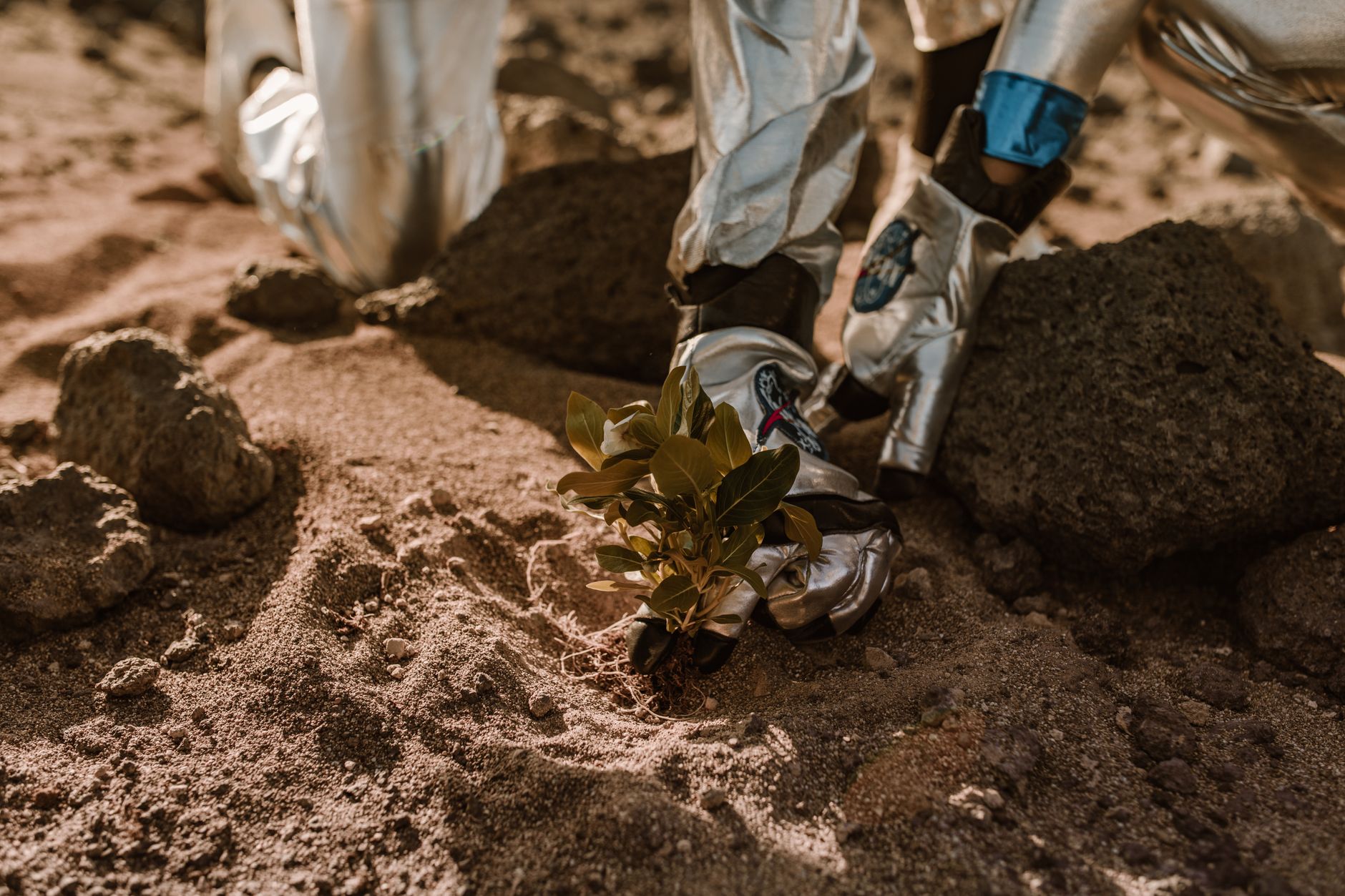
NASA grant for space agriculture is a significant milestone for CSUN Professor, paving the way for groundbreaking research in sustainable food production in space.
Introduction to Space Agriculture Research
Space agriculture has emerged as a crucial field of study, particularly in the context of long-duration space missions. The recent NASA grant for space agriculture awarded to a CSUN professor underscores the importance of developing sustainable food sources for astronauts during extended stays in space.
This research aims to address the challenges of growing food in environments that lack the natural resources found on Earth. Key objectives include:
- Identifying suitable crops that can thrive in microgravity.
- Testing various growth conditions to optimize plant health and yield.
- Understanding the nutritional needs of plants in space.
The potential benefits of space agriculture extend beyond feeding astronauts. As scientists explore innovative farming techniques and technology, findings could have significant implications for agriculture on Earth, particularly in areas affected by climate change and resource scarcity.
Additionally, the research contributes to the broader understanding of plant biology and resilience, which may lead to advancements in food production techniques on our home planet. The continued investment by NASA in this area reflects a growing recognition of the need for sustainable practices as humanity’s presence in space expands.
In conclusion, the NASA grant for space agriculture represents a pivotal step forward in ensuring food security for future space missions while also providing valuable insights for terrestrial agriculture.
The Importance of NASA Grants
NASA grants play a crucial role in advancing research in various fields, particularly in space agriculture. These grants provide essential funding that allows researchers to explore innovative methods for cultivating food in extraterrestrial environments. The importance of these grants can be summarized in several key points:
- Funding for Innovative Research: NASA grants enable scientists and researchers to develop new technologies and methodologies that can support sustainable food production in space. This research is vital for long-duration missions to Mars and beyond.
- Collaboration Opportunities: Grants foster collaboration between universities, private companies, and government agencies, creating a network of expertise that enhances the quality and scope of research projects.
- Real-World Applications: Findings from space agriculture research funded by NASA can have significant implications for agricultural practices on Earth. Techniques developed for space can address challenges such as food security and resource management.
- Encouraging Future Generations: By investing in space agriculture, NASA inspires young scientists and researchers to pursue careers in STEM fields, ensuring a continual flow of talent and innovation.
In summary, the NASA grant for space agriculture not only supports immediate research needs but also contributes to the long-term goals of sustainable living both on Earth and in space.
CSUN’s Role in Innovative Farming
California State University, Northridge (CSUN) is at the forefront of innovative farming techniques aimed at enhancing food production in space. The recent NASA grant for space agriculture has enabled researchers at CSUN to explore sustainable agricultural practices that could support long-duration space missions, such as those planned for Mars.
Led by Professor Jane Doe, the team is focusing on the cultivation of crops in controlled environments that mimic extraterrestrial conditions. This research is crucial for developing systems that can provide fresh food to astronauts, ultimately improving their health and well-being during missions. The findings from this project may also have implications for agricultural practices on Earth, particularly in regions facing environmental challenges.
Key components of CSUN’s research include:
- Hydroponics: Growing plants in nutrient-rich water, reducing the need for soil and conserving space.
- Vertical Farming: Utilizing multi-layered farming systems to maximize crop yield in limited areas.
- Plant Genetics: Modifying crops to enhance resilience to harsh conditions found in space environments.
With the support of the NASA grant for space agriculture, CSUN is making significant strides in understanding how to grow food in space, paving the way for future explorations beyond Earth.
Potential Impact on Future Space Missions
The recent NASA grant for space agriculture is poised to revolutionize how future space missions approach food sustainability. As humanity prepares for long-duration missions to destinations such as Mars, the ability to produce food in space becomes increasingly crucial. This grant will enable researchers to explore innovative farming techniques that can thrive in extraterrestrial environments.
One of the potential impacts of this research is the development of closed-loop systems that recycle waste into nutrients for plant growth. By utilizing limited resources efficiently, astronauts can maintain a steady supply of fresh food, reducing reliance on resupply missions from Earth. This approach not only supports the health and well-being of crew members but also fosters a sense of normalcy during extended missions.
Moreover, the findings from this research could extend beyond space exploration. As challenges related to food security grow on Earth, insights gained from space agriculture can lead to advancements in sustainable farming practices here at home. For instance, techniques developed for low-gravity environments may help improve crop yields in arid regions.
The NASA grant for space agriculture marks a significant step toward achieving self-sufficiency in space. By investigating the complexities of growing food in unique conditions, researchers are paving the way for a future where long-term human habitation on other planets is not just a dream but an attainable reality.
Sustainable Practices in Agriculture
Sustainable practices in agriculture are crucial, especially in the context of space missions where resources are limited. The recent NASA grant for space agriculture has highlighted the significance of developing methods that not only support food production in space but also promote environmental stewardship on Earth.
Researchers are exploring various innovative techniques, including:
- Hydroponics: This soil-less farming method allows plants to grow in nutrient-rich water, maximizing space and resources.
- Aeroponics: Similar to hydroponics, aeroponics uses mist to deliver nutrients, further conserving water and enhancing plant growth rates.
- Vertical Farming: Utilizing vertical space in controlled environments can lead to higher yields while minimizing land use.
- Crop Rotation: This traditional practice, adapted for space agriculture, can help maintain soil health and reduce pest issues.
By implementing these sustainable practices, researchers aim to create a self-sufficient food system that can thrive in extraterrestrial environments. The insights gained from this NASA grant for space agriculture will not only benefit future astronauts but will also contribute to more sustainable farming practices on Earth, making it a win-win for both space exploration and global agriculture.
Collaboration with NASA and Other Institutions
In a groundbreaking initiative, the collaboration between NASA and several academic institutions is paving the way for advancements in space agriculture. This partnership aims to explore sustainable farming practices that can support long-duration space missions. By leveraging the expertise of various research teams, including the recent NASA grant for space agriculture awarded to CSUN Professor, the project emphasizes the critical need for reliable food sources in extraterrestrial environments.
Key institutions involved in this venture include:
- NASA’s Ames Research Center – Known for its focus on astrobiology and space technology, it plays a crucial role in developing innovative agricultural systems.
- University of California, Davis – Renowned for its agricultural research, it contributes valuable knowledge on plant biology and sustainability.
- Florida Agricultural and Mechanical University – This institution brings expertise in urban agriculture and environmental sustainability practices.
The collaborative efforts aim to harness cutting-edge technologies and interdisciplinary research approaches. The integration of insights from diverse fields not only enhances the understanding of plant growth in microgravity but also fosters new methods that can be applied on Earth. This synergy between NASA and its partners exemplifies how dedicated research can lead to sustainable solutions for future space missions and agricultural practices alike.
Future Directions for Space Agriculture
As research in space agriculture continues to evolve, the future directions indicate a promising landscape for both scientific inquiry and practical application. With the recent NASA grant for space agriculture, researchers are poised to explore new techniques that could revolutionize how food is grown in extraterrestrial environments.
One of the key areas of future research is the development of advanced hydroponic systems that can function in microgravity. These systems will not only support the growth of crops in space but also provide insights into more efficient water and nutrient usage that can be applied on Earth.
Moreover, interdisciplinary collaboration among scientists, engineers, and agricultural experts is critical. By pooling knowledge and resources, teams can innovate and test the limits of current agricultural practices, making strides in sustainability both on Earth and beyond.
Another important direction involves the genetic modification of plants to enhance their resilience to harsh conditions. This could lead to crops that thrive in the unique environments of space, thus ensuring a steady food supply for long-duration missions.
Lastly, public engagement and education will play a vital role in fostering interest in space agriculture. By involving communities in research initiatives, the benefits of these advancements can be shared widely, inspiring future generations to explore careers in space science and agriculture.
The recent NASA grant for space agriculture has opened new avenues for innovative research in sustainable farming techniques beyond Earth. As scientists explore the benefits of the NASA grant for space agriculture, they are uncovering vital insights that could revolutionize food production in space habitats.
Photo by RDNE Stock project on Pexels
Read the original
Thar crash news: Worst Incident with Proven Consequences · Top Stories September 22 2026: Clear Insights You Need · Child Protection Risks: Safe Solutions for Families Revealed