

Krakatau eruption news highlights the impact of volcanic activity, leaving 170,000 travelers stranded at eight Indonesian airports due to ash fallout.
What caused the Anak Krakatau eruption?
The recent eruption of Anak Krakatau has raised significant concerns among scientists and the public alike. To understand the implications of this event, it is essential to examine what caused the eruption. The volcanic activity is primarily attributed to a combination of geological factors unique to the region.
Located in the Sunda Strait between Java and Sumatra, Anak Krakatau is a product of the ongoing tectonic activity in the area. The interaction of the Indo-Australian and Eurasian tectonic plates creates immense pressure, leading to volcanic eruptions. In the case of Krakatau, the magma chamber beneath the volcano has been accumulating pressure over time, eventually resulting in a violent release of energy.
Moreover, the recent seismic activity in the region, including earthquakes, has played a crucial role in triggering this eruption. The combination of these factors has made the Krakatau eruption news a focal point for monitoring volcanic activity globally.
As a result of the eruption, over 170,000 travelers have been stranded at eight Indonesian airports due to volcanic ash, illustrating the eruption’s far-reaching impact.
Impact on travelers at Indonesian airports
The recent Krakatau eruption news has raised significant concerns for travelers in Indonesia, as volcanic ash from the Anak Krakatau eruption has impacted air travel across the region. Over 170,000 passengers have been stranded at eight Indonesian airports, leading to widespread disruptions and delays.
Airlines have been forced to cancel numerous flights due to safety concerns regarding the ash cloud, which poses serious risks to aviation. The Indonesian government has issued warnings and advisories, urging travelers to stay informed about flight statuses and potential rebookings.
Among the airports affected are:
- Soekarno-Hatta International Airport, Jakarta
- Ngurah Rai International Airport, Bali
- Juanda International Airport, Surabaya
- Hasanuddin International Airport, Makassar
- Sam Ratulangi International Airport, Manado
- Adisutjipto International Airport, Yogyakarta
- Sultan Iskandar Muda International Airport, Aceh
- Hang Nadim International Airport, Batam
Travel agencies are advising passengers to remain patient and flexible as they navigate the ongoing situation, emphasizing the importance of safety first.
Safety measures during volcanic eruptions
As the Krakatau eruption news continues to develop, authorities are emphasizing the importance of safety measures during volcanic eruptions to protect residents and tourists alike. Volcanic activity can lead to hazardous conditions, and preparedness is crucial.
Key safety measures include:
- Evacuation plans: Local governments have established clear evacuation routes for communities near the volcano. Residents are encouraged to familiarize themselves with these routes.
- Emergency kits: Authorities advise individuals to prepare emergency kits containing essentials such as food, water, medications, and important documents.
- Staying informed: Monitoring local news and official announcements is vital. The Indonesian Meteorology, Climatology, and Geophysics Agency provides regular updates on volcanic activity and safety protocols.
- Protective gear: It is recommended that those in affected areas wear masks and goggles to safeguard against ash inhalation and eye irritation.
In light of the ongoing Krakatau eruption news, following these safety measures can significantly reduce risks and enhance preparedness during such natural events.
Historical context of Krakatau eruptions
The Krakatau volcano, located in the Sunda Strait between Java and Sumatra, has a long and tumultuous history of eruptions that have shaped not only the landscape but also the global climate. The most infamous eruption occurred in 1883, which is often cited as one of the most devastating volcanic events in recorded history. This catastrophic eruption resulted in the deaths of over 36,000 people and produced massive tsunamis that struck nearby coasts. The sound of the explosion was heard as far away as Australia, illustrating the far-reaching impact of the event.
In the decades that followed, the volcanic activity continued, leading to the formation of Anak Krakatau, or “Child of Krakatau.” This new volcanic island emerged in the early 20th century and has since been the site of numerous eruptions. The recent Anak Krakatau eruption has again drawn attention to the historical context of Krakatau eruptions, raising questions about its potential impacts on modern society and travelers. With the latest eruption causing significant disruptions, including stranding 170,000 travelers at Indonesian airports, the focus on Krakatau eruption news remains critical for understanding the risks posed by this active volcano.
Government response to the crisis
The recent Krakatau eruption has prompted a swift and coordinated response from the Indonesian government as the crisis unfolds. Authorities have activated emergency protocols to address the challenges faced by those affected by the volcanic activity.
In light of the eruption, which has left 170,000 travelers stranded at various Indonesian airports, the government has implemented the following measures:
- Evacuation efforts: Rescue teams are working tirelessly to ensure the safe evacuation of residents and tourists from vulnerable areas.
- Infrastructure support: Emergency services are being deployed to assist with transportation and accommodation for stranded travelers.
- Public safety announcements: The government is providing regular updates through various media channels to keep the public informed of the situation.
- Monitoring volcanic activity: The National Disaster Mitigation Agency (BNPB) is closely monitoring the eruption and advising on safety protocols.
The government’s proactive measures aim to mitigate the impact of the Krakatau eruption news and ensure public safety, emphasizing the importance of preparedness in the face of natural disasters.
The recent Krakatau eruption news has sparked discussions among scientists about its potential impact on global climate. Many are comparing this event to historical eruptions, questioning whether the Krakatau eruption news marks a new benchmark in volcanic activity.
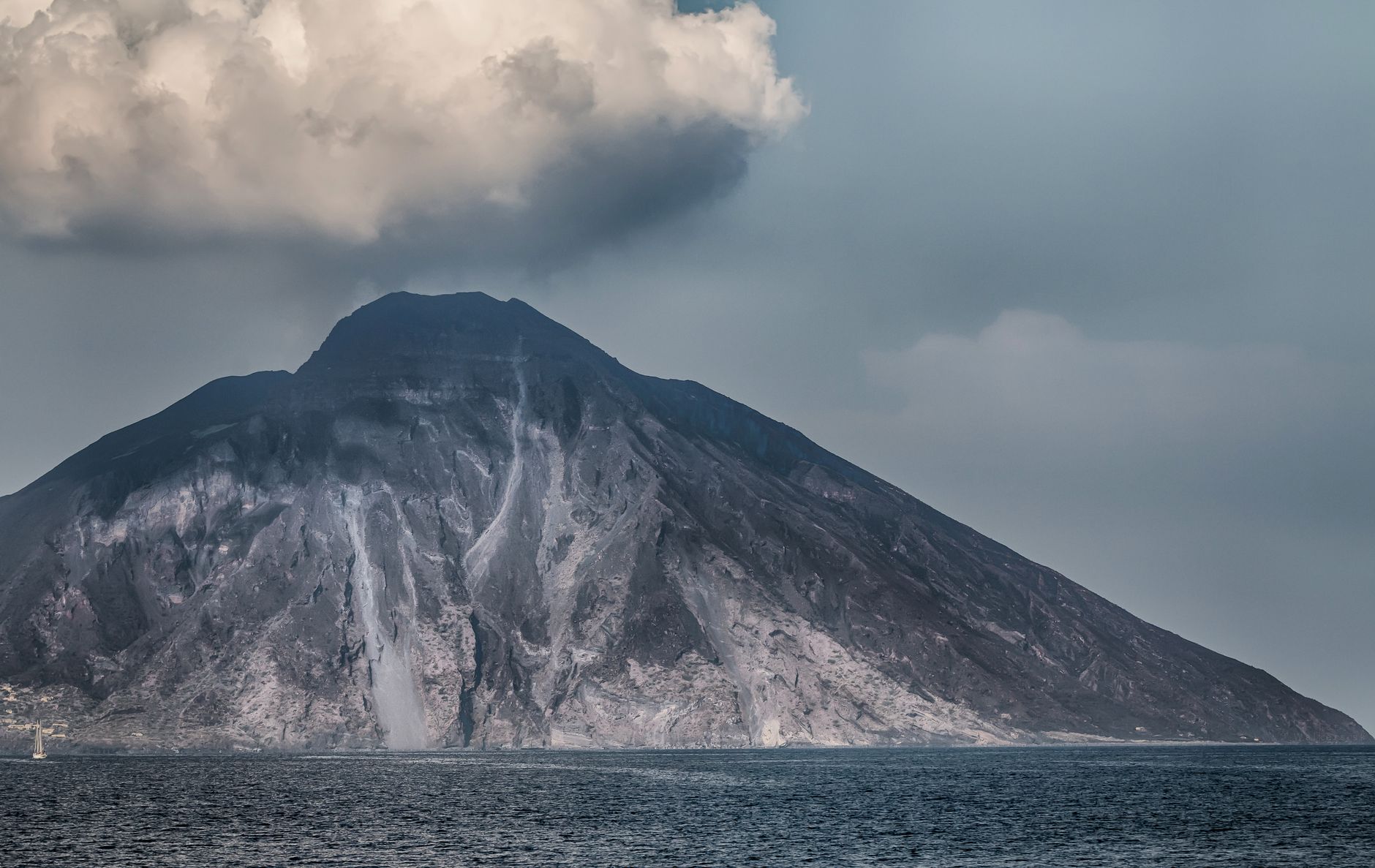
Photo by Walkers on Pexels