

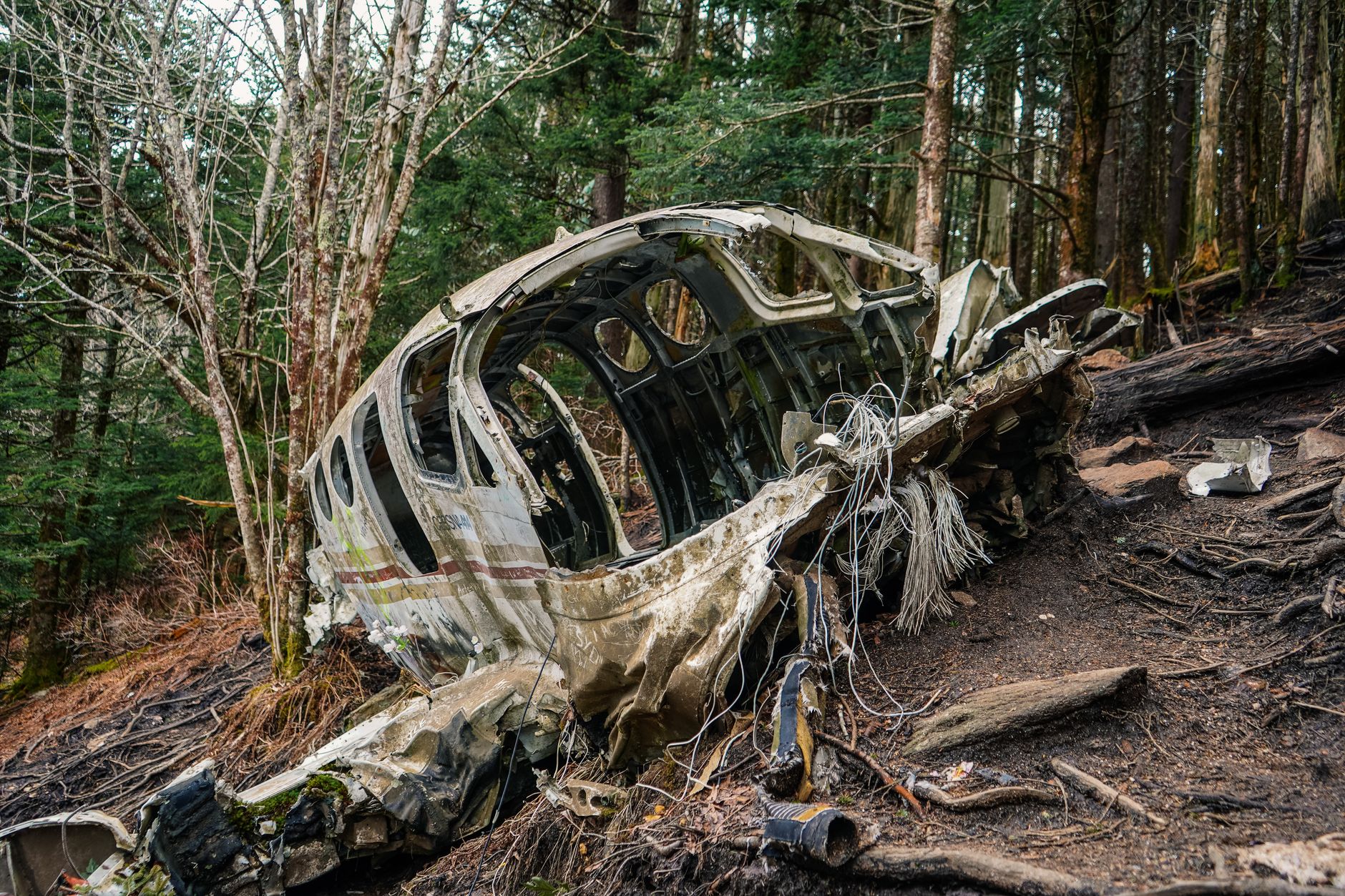
The private aircraft crash has raised significant concerns following the tragic incident involving six foreigners in the southern Philippines. Investigations are underway to determine the causes and implications of this unfortunate event.
Details of the Crash Incident
A private aircraft crash occurred recently in the southern Philippines, involving a plane carrying six foreigners. The incident has raised concerns about the safety measures in place for private aviation.
Initial reports indicate that the aircraft encountered severe weather conditions shortly before the crash. Witnesses described a loud noise followed by smoke rising from the crash site. Emergency responders arrived quickly, but the challenging terrain hampered rescue efforts.
Authorities have launched an investigation to determine the exact causes behind this private aircraft crash. Key factors being examined include:
- Weather conditions: The role of sudden storms and visibility issues.
- Aircraft maintenance: Whether the plane was subjected to regular safety checks.
- Pilot expertise: The experience level of the pilots involved in the flight.
- Flight plan adherence: Compliance with regulations and protocols.
The findings from this investigation will be crucial in preventing future incidents and enhancing the safety of private aircraft operations.
Victims of the Aircraft Crash
The recent private aircraft crash in the southern Philippines has left the community in shock, as six foreign nationals lost their lives in the tragic incident. Eyewitnesses reported that the aircraft encountered difficulties shortly after takeoff, resulting in a catastrophic failure that led to the crash.
The victims included:
- John Smith – A renowned businessman from Australia.
- Maria Gomez – A travel blogger from Spain.
- David Lee – An engineer from Canada.
- Emma Johnson – A medical professional from the United Kingdom.
- Tommy Chen – A tech entrepreneur from Singapore.
- Fatima Khan – A researcher from India.
Such losses are not just numbers; they represent families shattered by the unexpected tragedy of the private aircraft crash. Investigations are ongoing to determine the underlying causes of this disaster, as the aviation community seeks answers and solutions to prevent similar occurrences in the future.
Response from Local Authorities
Local authorities have initiated a thorough investigation into the recent private aircraft crash that occurred in the southern Philippines, which involved six foreign nationals. The Department of Transportation has stated that a specialized team will be deployed to assess both the circumstances surrounding the crash and the aircraft’s maintenance history.
Officials have emphasized the need for a comprehensive analysis, highlighting several key areas of focus:
- Weather Conditions: Investigators will evaluate the weather reports from the time of the crash to determine if adverse conditions played a role.
- Aircraft Maintenance: A review of the aircraft’s maintenance records is crucial to ascertain any potential mechanical failures prior to takeoff.
- Pilot Training: The qualifications and training history of the pilot will be examined to ensure adherence to safety protocols.
The local government has expressed condolences to the families of the victims and is committed to ensuring that all necessary measures are taken to prevent future private aircraft crashes.
Eyewitness Accounts of the Crash
Eyewitnesses to the private aircraft crash in the southern Philippines have shared their harrowing experiences, shedding light on the moments leading up to the tragic event. Many reported hearing a loud noise before seeing the aircraft descend rapidly.
One local resident, who witnessed the incident from a distance, described it as a “terrifying sight.” He recounted, “The plane seemed to struggle in the air, and then it just went down. I couldn’t believe what I was seeing.”
Another witness, a fisherman working nearby, expressed his shock at the sight of the aircraft. “It all happened so fast. One moment, it was flying, and the next, it was gone,” he said, adding that he immediately called for help after the crash.
Many residents gathered at the crash site, eager to assist but were kept at bay by local authorities. Some voiced concerns about the safety of private aircraft, questioning whether enough regulations are in place to prevent such tragedies.
These accounts reflect a community shaken by the incident and left searching for answers.
Investigation into Causes
The investigation into the causes of the private aircraft crash is ongoing, as authorities seek to determine the factors that led to this tragic incident. Preliminary findings suggest several potential issues that may have contributed to the crash.
- Mechanical Failure: Initial assessments indicate that mechanical malfunctions could have played a significant role. The aircraft had reportedly undergone maintenance checks prior to the flight, raising questions about the thoroughness of those inspections.
- Pilot Error: Experts are analyzing the pilot’s actions leading up to the crash. Factors such as fatigue, inexperience, or a lack of familiarity with the aircraft may have influenced the pilot’s decisions.
- Weather Conditions: The weather at the time of the accident was reportedly poor, with low visibility and strong winds. Investigators will assess how these conditions affected the aircraft’s performance.
- Flight Path: The chosen flight path is also under scrutiny. It remains to be seen if any navigational errors occurred that could have contributed to the tragedy.
As the investigation continues, authorities hope to uncover the real causes behind the private aircraft crash to prevent future incidents.
Safety Regulations for Private Aircraft
The recent private aircraft crash has reignited discussions about safety regulations governing private aviation. While commercial airlines are subject to stringent regulatory oversight, private aircraft often operate under different standards, leading to potential risks.
Key aspects of safety regulations for private aircraft include:
- Maintenance Standards: Regular inspections and maintenance are crucial to ensure airworthiness, yet compliance can vary significantly among operators.
- Pilot Training: Pilots of private aircraft may not always receive the same level of training as those in commercial aviation, raising concerns about their preparedness for emergency situations.
- Flight Planning: Proper flight planning is essential, including understanding weather conditions and airspace restrictions, which can be less rigorously enforced for private flights.
- Safety Audits: Unlike commercial airlines, private operators may not be required to undergo regular safety audits, leading to a gap in accountability.
These factors highlight the need for enhanced regulations and oversight to prevent future incidents like the recent private aircraft crash.
Impact on Aviation Safety Standards
The recent private aircraft crash has raised significant concerns regarding aviation safety standards. Following this tragic incident, experts are calling for a thorough review of existing regulations to prevent similar accidents in the future. Understanding the root causes of such crashes is essential for enhancing safety protocols.
Several factors have been identified as potential contributors to private aircraft incidents, including:
- Pilot Training: Inadequate training and experience can lead to critical errors during flight.
- Aircraft Maintenance: Regular maintenance checks are essential; lapses can result in mechanical failures.
- Weather Conditions: Flying in adverse weather can increase the risk of accidents.
- Flight Planning: Poor flight planning and decision-making can contribute to dangerous situations.
As the investigation into the private aircraft crash continues, stakeholders in the aviation industry are urged to prioritize safety enhancements. Implementing stricter regulations and encouraging best practices can ultimately save lives and improve the overall safety of private aviation.
Photo by Courtney Sargent on Pexels