


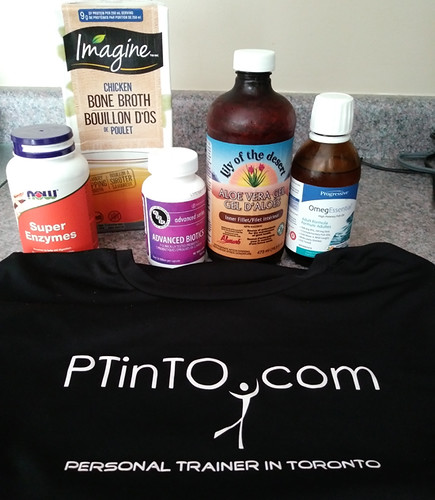
improve gut health with simple changes to your daily routine. By adopting these habits, you can significantly enhance your digestive wellness and overall vitality.
Understanding Gut Health
Gut health plays a critical role in overall well-being, influencing everything from digestion to immune function. Understanding gut health involves recognizing the complex ecosystem of bacteria, known as the gut microbiome, that resides in the digestive tract. This microbiome is essential for breaking down food, producing vitamins, and protecting against harmful pathogens.
Improving gut health can lead to numerous benefits, including enhanced digestion, reduced inflammation, and better mental health. Research has shown that a balanced gut microbiome can positively affect mood and cognitive function, illustrating the intimate connection between gut and brain health.
Several factors can impact gut health, including diet, lifestyle, and stress levels. To cultivate a healthier gut, consider incorporating the following habits into your daily routine:
- Eat a diverse range of foods: A varied diet can support a more diverse microbiome.
- Include fermented foods: Foods like yogurt, kefir, and sauerkraut are rich in probiotics.
- Maintain hydration: Drinking plenty of water aids digestion and nutrient absorption.
- Limit processed foods: Reducing sugar and artificial ingredients can promote better gut health.
- Manage stress: Practices such as meditation and exercise can help reduce stress levels.
By understanding and prioritizing gut health, individuals can take significant steps toward achieving overall wellness.
The Importance of a Healthy Gut
A healthy gut plays a crucial role in overall well-being, influencing various aspects of physical and mental health. As the center of digestion, the gut is responsible for breaking down food, absorbing nutrients, and eliminating waste. However, its significance extends beyond mere digestion.
Research shows that a balanced gut microbiome can affect the immune system, mood regulation, and even weight management. An imbalance in gut bacteria can lead to issues such as bloating, gas, and more serious conditions like inflammatory bowel disease. Therefore, understanding and improving gut health is essential for maintaining optimal health.
Moreover, a healthy gut can enhance nutrient absorption, which is vital for energy production and overall vitality. Good gut health is also linked to improved mental clarity and mood stability, as the gut produces a significant amount of serotonin, a neurotransmitter associated with happiness.
To foster a thriving gut microbiome, incorporating specific habits into your daily routine is beneficial. These habits can help improve gut health and provide long-term benefits. The following list outlines key practices that can contribute to a healthier gut:
- Eat a diverse range of foods
- Include plenty of fiber in your diet
- Stay hydrated
- Limit processed foods and sugars
- Consider probiotics and fermented foods
- Manage stress levels
- Get enough sleep
- Stay active
- Avoid unnecessary antibiotics
- Practice mindful eating
10 Proven Habits to Improve Gut Health
Improving gut health is essential for overall well-being, and incorporating certain habits into your daily routine can make a significant difference. Here are ten proven habits that can help you achieve a healthier gut:
- Eat a diverse range of foods: A varied diet can lead to a diverse microbiome, which is beneficial for gut health.
- Include fermented foods: Foods like yogurt, kimchi, and sauerkraut are rich in probiotics, which promote gut health.
- Consume prebiotic foods: Foods such as bananas, onions, and garlic feed the beneficial bacteria in your gut.
- Stay hydrated: Drinking plenty of water aids in digestion and supports the mucosal lining of the intestines.
- Limit artificial sweeteners: Some studies suggest that artificial sweeteners may negatively affect gut bacteria.
- Manage stress: High stress levels can disrupt gut health, so practicing relaxation techniques can be beneficial.
- Get enough sleep: Quality sleep is vital for maintaining a healthy gut and overall metabolism.
- Exercise regularly: Physical activity is associated with a more diverse gut microbiome.
- Avoid unnecessary antibiotics: Overuse of antibiotics can harm gut bacteria, so they should be used judiciously.
- Consider probiotics: Taking probiotic supplements may help restore gut health, particularly after antibiotic use.
Foods That Support Gut Health
To improve gut health, incorporating the right foods into your diet is essential. Here are some foods that can support a healthy gut microbiome:
- Fermented Foods: Foods such as yogurt, kefir, sauerkraut, and kimchi are rich in probiotics, which can enhance gut health by introducing beneficial bacteria.
- High-Fiber Foods: Fruits, vegetables, legumes, and whole grains provide dietary fiber that acts as a prebiotic, feeding the good bacteria in your gut.
- Nuts and Seeds: Almonds, walnuts, chia seeds, and flaxseeds are excellent sources of fiber and healthy fats that can promote gut health.
- Bone Broth: Rich in collagen, bone broth helps to heal the gut lining and supports overall digestive health.
- Garlic and Onions: These foods are not only flavorful but also contain prebiotic fibers that help nourish beneficial gut bacteria.
- Leafy Greens: Spinach, kale, and other leafy greens are packed with nutrients and fiber that can aid in digestion and improve gut health.
Incorporating these foods into your daily meals can greatly contribute to your overall gut health. Remember, a diverse diet rich in various nutrients is key to maintaining a harmonious gut microbiome.
The Role of Probiotics
Probiotics play a crucial role in maintaining and improving gut health. These beneficial bacteria help balance the gut microbiome, which is essential for digestion, nutrient absorption, and immune function. Incorporating probiotics into your daily routine can significantly contribute to your overall well-being.
There are various sources of probiotics that can help improve gut health:
- Yogurt: Rich in live cultures, yogurt is one of the most popular sources of probiotics. Opt for varieties with no added sugars for maximum benefits.
- Kefir: This fermented dairy drink is packed with probiotics and can be consumed on its own or added to smoothies.
- Fermented vegetables: Foods like sauerkraut and kimchi are not only delicious but also contain a wide range of probiotics.
- Miso: A staple in Japanese cuisine, miso is a fermented soybean paste that can enhance soups and marinades.
- Tempeh: This fermented soybean product is a great protein source and a versatile addition to meals.
Regularly integrating these probiotic-rich foods can help improve gut health, leading to better digestion and enhanced immunity. Remember that consistency is key; making these foods a part of your everyday diet is essential for long-term benefits.
How Stress Affects Your Gut
Stress is an often-overlooked factor that can significantly impact gut health. When you experience stress, your body goes into a fight-or-flight response, releasing hormones like cortisol. These hormonal changes can disrupt the balance of bacteria in your gut, leading to various digestive issues.
Several ways stress affects your gut include:
- Altered Gut Motility: Stress can change how quickly food moves through your digestive tract, resulting in symptoms like diarrhea or constipation.
- Increased Inflammation: Chronic stress may increase inflammation in the gut, exacerbating conditions such as irritable bowel syndrome (IBS) or inflammatory bowel disease (IBD).
- Gut Barrier Dysfunction: Stress can weaken the gut lining, allowing toxins and bacteria to enter the bloodstream, which can lead to further health issues.
- Changes in Gut Microbiota: Prolonged stress can alter the composition of gut bacteria, potentially diminishing beneficial microbes and allowing harmful ones to thrive.
To improve gut health, managing stress is essential. Techniques such as mindfulness, yoga, and regular exercise can help mitigate the effects of stress on the digestive system. Prioritizing mental well-being not only enhances overall health but also plays a crucial role in maintaining a balanced gut microbiome.
Exercise and Gut Health
Engaging in regular exercise is a vital component in the journey to improve gut health. Numerous studies have shown that physical activity can positively influence the gut microbiome, leading to a balanced and diverse composition of gut bacteria.
Here are a few ways exercise contributes to better gut health:
- Enhances Gut Motility: Exercise helps stimulate the gastrointestinal tract, promoting regular bowel movements and reducing the risk of constipation.
- Increases Microbial Diversity: Regular physical activity has been linked to a more varied gut microbiome, which is essential for optimal digestion and overall health.
- Reduces Inflammation: Exercise can lower levels of inflammation in the body, which is beneficial for maintaining a healthy gut lining and preventing issues such as leaky gut syndrome.
- Boosts Mood and Reduces Stress: Physical activity releases endorphins, which can alleviate stress and anxiety. This is important since high stress levels can negatively impact gut health.
To maximize the benefits of exercise on gut health, aim for a balanced routine that includes both aerobic activities, like running or cycling, and strength training. Making exercise a regular part of your daily life can significantly contribute to your efforts to improve gut health.
Consulting a Healthcare Professional
When it comes to improving gut health, consulting a healthcare professional is an essential step that should not be overlooked. A knowledgeable expert can provide personalized guidance tailored to your unique health needs, helping you navigate the myriad of options available for enhancing digestive wellness.
Many individuals may experience digestive issues that require professional assessment. This is particularly important if you are considering significant dietary changes or introducing new supplements, such as probiotics. A healthcare provider can help you understand:
- Your current gut health status: They can conduct tests to determine any underlying issues that might be affecting your digestion.
- Appropriate dietary adjustments: A professional can recommend foods and habits that specifically target your gut health improvement goals.
- Potential interactions: Understanding how various supplements or medications may interact with your gut health is crucial.
- Long-term strategies: A healthcare professional can assist you in developing a sustainable plan for maintaining optimal gut health over time.
Ultimately, the journey toward better gut health is a personal one, and having the support of a qualified professional can enhance your efforts. Don’t hesitate to reach out for expertise on how to improve gut health effectively and safely.
Incorporating more fiber-rich foods into your diet can significantly improve gut health. Additionally, regular physical activity is another effective way to improve gut health and enhance overall well-being.
By personaltrainertoronto via Openverse
Where this came from
Related stories
U.C.L.A. Civil Rights Laws: Are They Being Weaponized? · Trump Time Interview Takeaways: The Real Insights Revealed · Childhood cancer treatment: What are the best proven options?